



O seu guia para a soberania!
Why do governments want to do away with cash?
Share your love
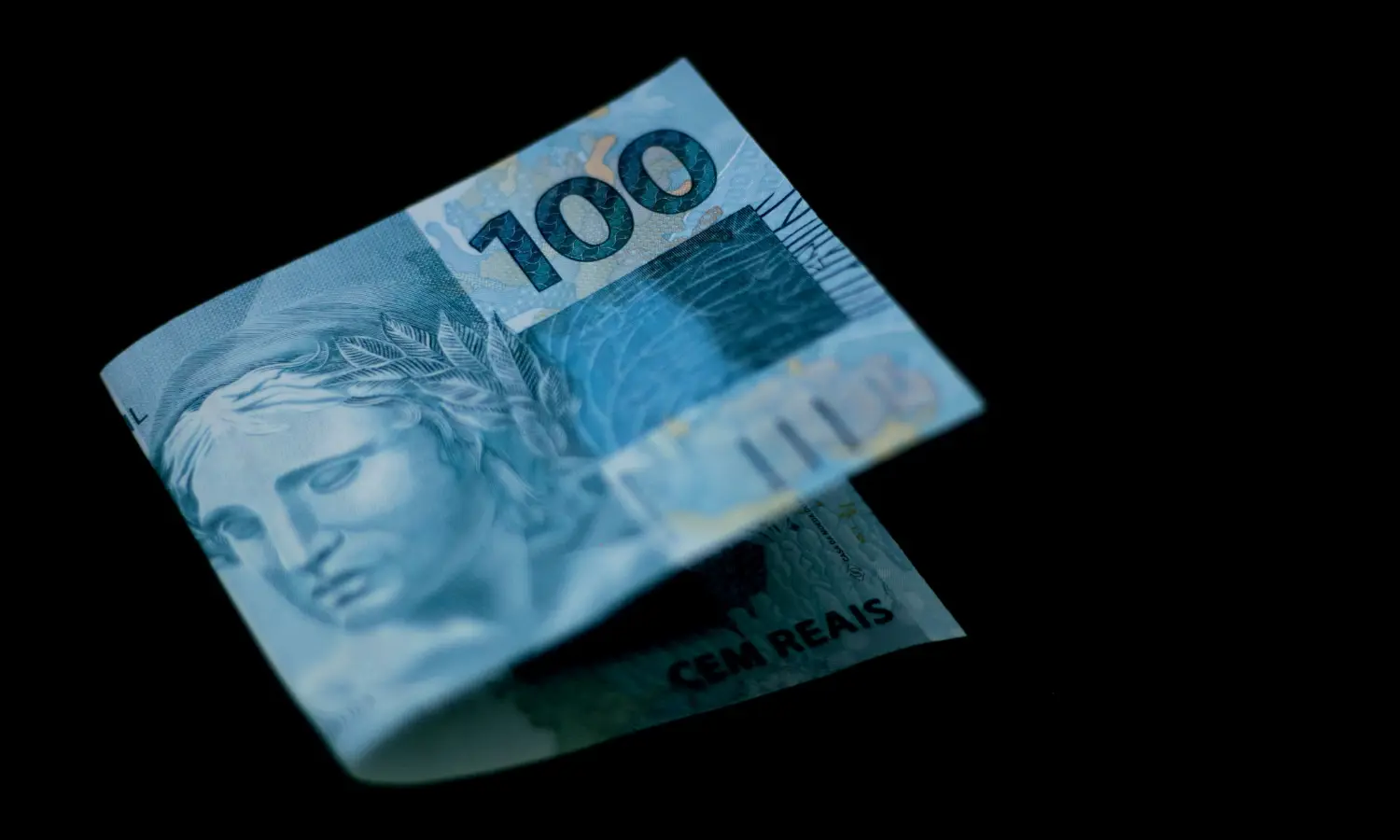
The end of physical money would represent a severe blow to financial privacy, and therefore to individual freedom.
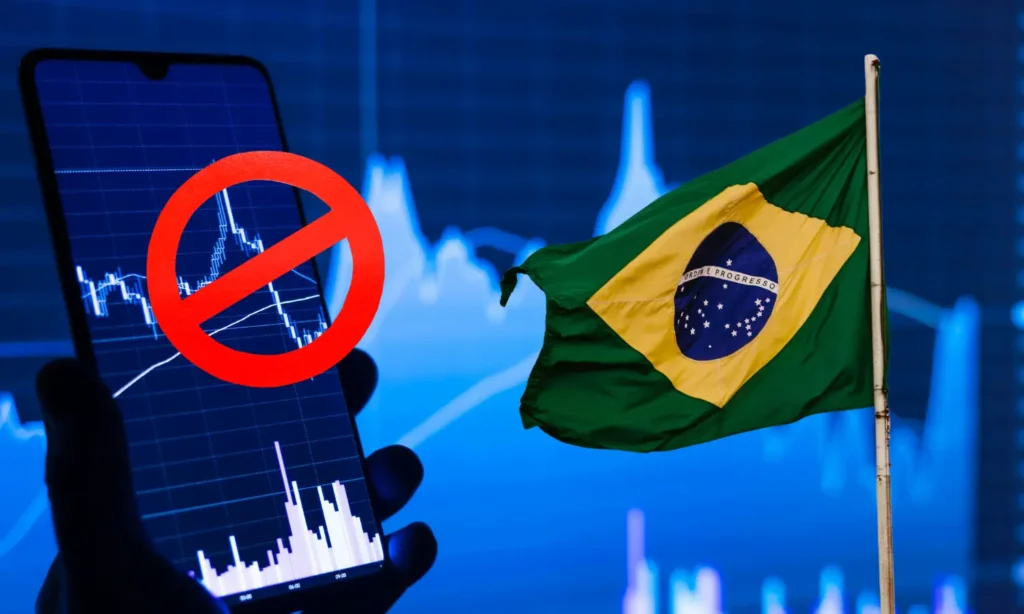
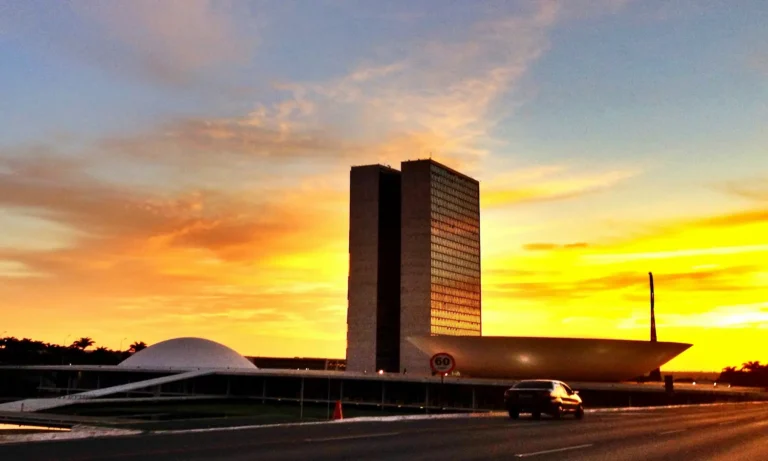
The most recent attack on paper money came in the approval of the bill banning cash in the purchase and sale of real estate in the Senate Constitution and Justice Committee (CCJ) on November 26, 2025.
In addition, the text determines that the National Monetary Council (CMN) must establish limits and conditions for the use of cash in the country, including for the payment of bills and checks.
To become law, the text still has to be approved by the members of parliament and sanctioned by the president. According to the author, the aim of the bill is to combat tax evasion and money laundering.
Sovereign
Pay
Your pocket Swiss bank.
Copper via PIX anonymous and receive it at Bitcoin, dollar or balance in international card.
Knowing
Only 9 vacancies
The idea is simple: increase the traceability of financial transactions in Brazil to reduce crime. But this comes at a very high cost.
The war on privacy
The Brazilian government has been moving against cash for years. In 2020, PL 4.068 attempted to gradually suspend the production, circulation and use of paper money within five years. In the same year, PLP 214 sought the same goal, proposing to replace physical cash with a digital currency issued by the Central Bank (CBDC).
Nor is it exclusive to Brazil. It's interesting for any government in the world to have more control over what people do with the fruits of their labor. In China, where payments through apps like AliPay and WeChat Pay are dominant, consumption habits are carefully monitored.
In addition to investigations that can be opened up by something as simple as buying a book, mass surveillance opens up space for a whole parallel data market.
According to Wired, a SpyCloud investigation revealed that insiders make up to US $$ 10,000 a day selling sensitive data packages - including banking information, geolocation and state surveillance records.
After the rulers themselves, those who benefit most from mass monitoring are scammers, kidnappers and stalkers.
The persecution of opponents
Another risk of abolishing cash is that it will be easier to censor opponents. It's not a conspiracy theory, it's already a reality and it's likely to get worse with the complete digitalization of the state currency. Here are a few examples:
- Freedom Convoy protests in Canada in 2022truck drivers and supporters demonstrating against the pandemic restrictions had their bank accounts frozen by the government using “emergency measures”. Many of them were not even charged with any crime.
- EndSARS in Nigeria in 2020Protesters against police brutality reported bank accounts frozen by the government. Again, the majority were not accused of any crime, their participation in the movement was enough for persecution.
- Wikileaks and Julian Assange, 2010After pressure from the US government, payment companies Visa, Mastercard and PayPal blocked donations to Wikileaks. The international organization leaked documents that revealed America's war crimes, and had its financial autonomy undermined.
The case of Julian Assange is a curious one, as his persecution led him to use Bitcoin as a new means of making donations, and this led to a valuation of 50.000% on top of the donations, which left Wikileaks financially stable for many years.
Is Bitcoin a viable solution?
Cash, because it doesn't store your transaction history in any way, is definitely the most private way of buying and selling. So in a way, in an increasingly monitored world, cash still protects people's autonomy and freedom.
Privacy is a basic human right, and not just for criminals.
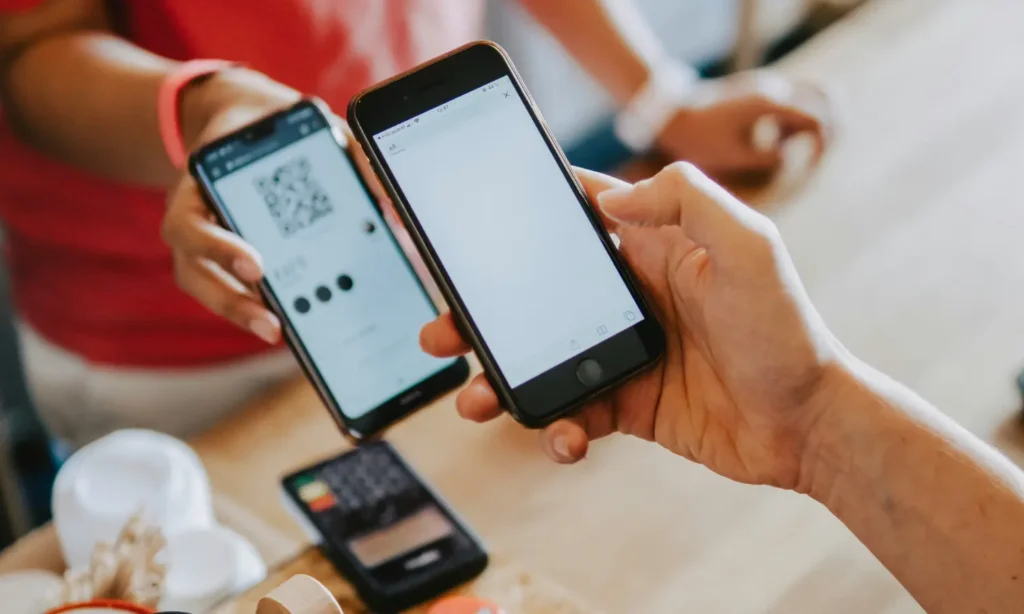
But whether we like it or not, we are moving towards a more digital world. Even disregarding the legislation that seeks to force traceable payment methods, online payments are gaining traction around the world for convenience's sake.
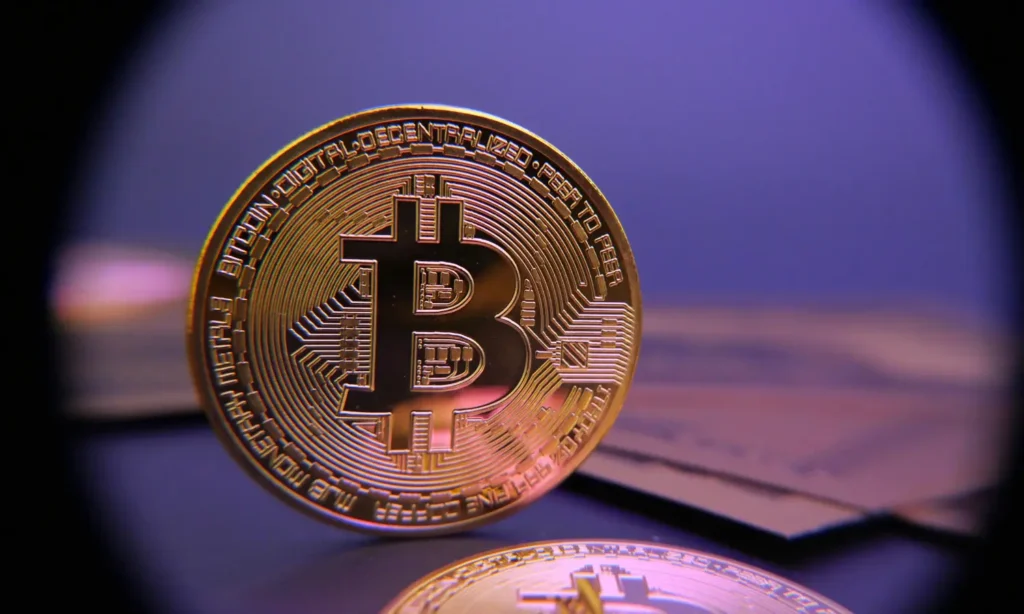
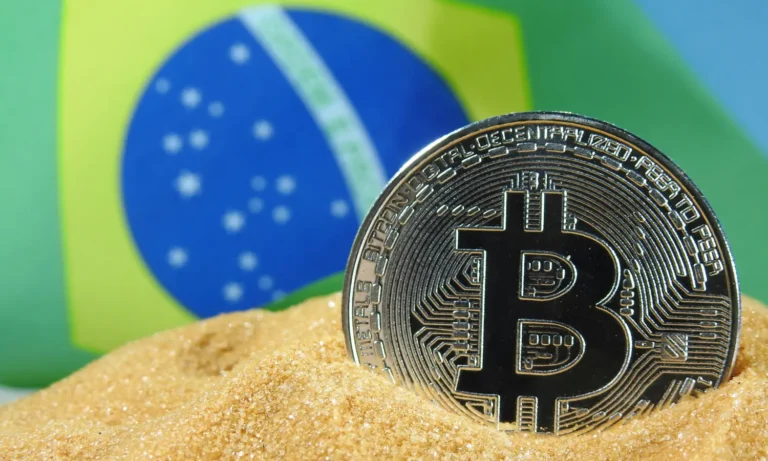
And on the other hand, Bitcoin, even though it is a digital currency, is decentralized and allows for transactions without intermediaries, just like cash. And if you don't buy it from brokers who require you to send in documents, it also offers a certain level of security. privacy.
In addition, the network parallel to the blockchain Bitcoin's cryptocurrency, Liquid, offers an advanced level of privacy. The Monero cryptocurrency offers a similar solution for securely transacting value in the digital world.
By giving up the convenience of traditional online payments, buying and selling with cash, Monero or Bitcoin (with a certain amount of care) is protecting your data, your autonomy and your freedom. In other words, it's regain its financial sovereignty.
NGOs around the world, such as the American Civil Liberties Union (ACLU), are already fighting against the idea of a cashless society. But we are still moving in this direction and there is no sign of anything changing. The only definitive solution is an individual one: protect your freedom and that of your family, first and foremost.


 English