








O seu guia para a soberania!
Samourai's arrest sets dangerous precedent for Bitcoin miners
Share your love
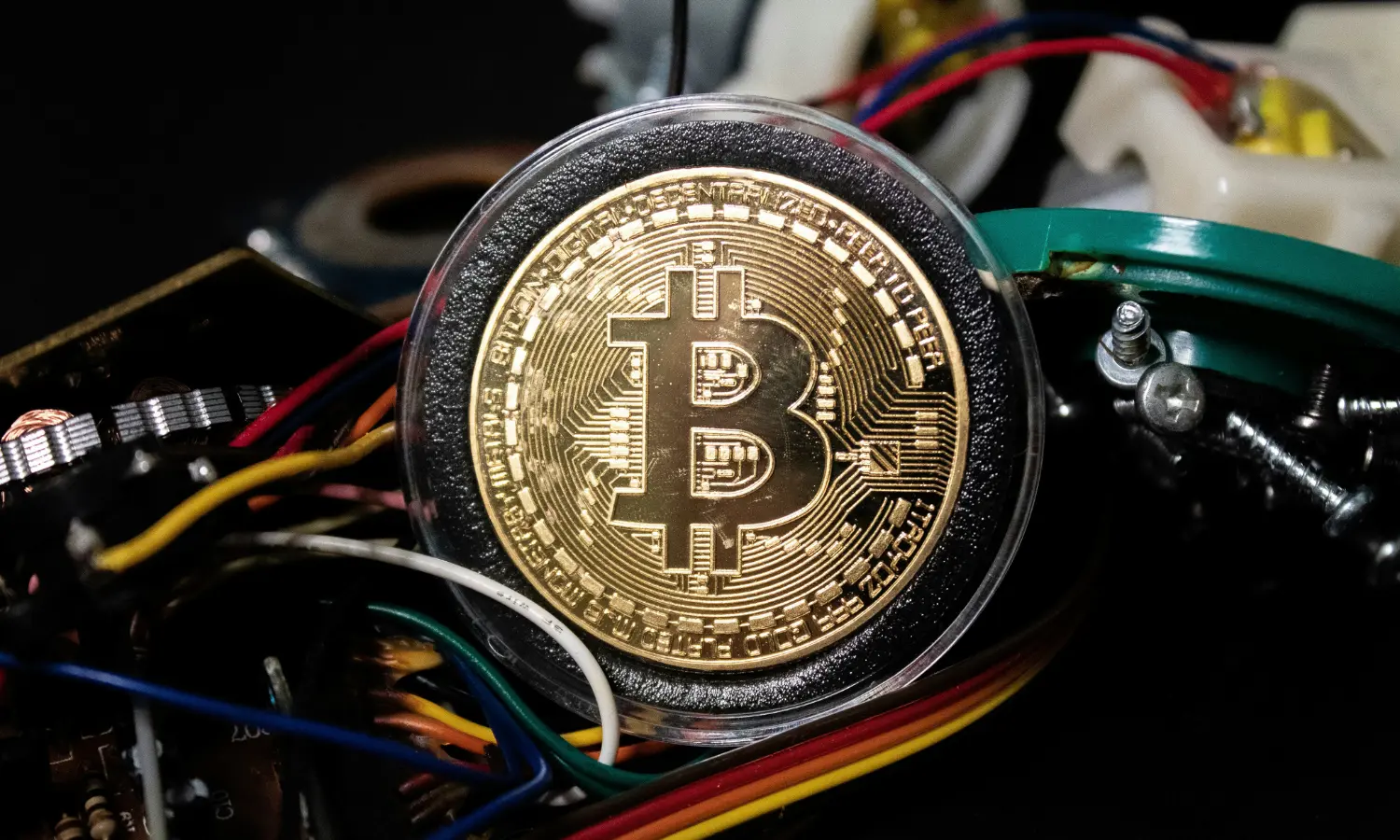
The arrest of the Samourai Wallet developers in the United States is not just another chapter in the regulatory persecution of cryptocurrencies. It sets an extremely dangerous precedent - not only for software developers, but potentially for Bitcoin miners.
Listen to the article:
0:00
0:00
According to Soberano commented Earlier, the developers of the privacy-focused Bitcoin wallet Samourai Wallet were arrested on charges of “conspiring to launder money”. But the story has absurd implications for the crypto market.
According to the New York prosecutors, the creators of Samourai Wallet were operating as money transmitters without a license. The central detail is that Samourai never had custody of users' bitcoins. Even so, the mere fact that the software collected fees was enough to sustain the accusation.
If this reasoning holds up, the problem doesn't end with Samourai.
Sovereign
Pay
Your pocket Swiss bank.
Copper via PIX anonymous and receive it at Bitcoin, dollar or balance in international card.
Knowing
Only 9 vacancies
Watch an excerpt from the interview with Keonne Rodriguez, co-founder of Samourai Wallet, for the YouTube channel BTCSessions, on the subject:
If a wallet is a money transmitter, why not miners?
The prosecution's implicit argument is simple: custody is no longer a requirement to characterize money transmission. If someone “facilitates” transactions and receives fees, that would be enough to require licensing, KYC (user identification) and AML (anti-money laundering) measures.
Taking this logic to its ultimate consequences, Bitcoin miners will be the next to be persecuted.
Miners validate transactions, include them in blocks and receive fees for doing so. If developing non-custodial software is enough to be classified as a money transmitter, then mining bitcoin could become, in the view of the American state, a regulated activity that requires active censorship of addresses.
O deep state The American government has made it clear what it wants: Bitcoin as a controlled asset. But the practical consequence could be one not initially foreseen, the complete flight of the cryptocurrency mining industry from the country.
The government's understanding here is the same as when they charged the developers of Tornado Cash, a software also focused on privacy, but for the Ethereum network. In a document responding to the defense, they suggest that the control over funds is no longer necessary to characterize money transmission.
One of the examples used by the state illustrates the problem well:
“A USB cable transfers data from one device to another, and a frying pan transfers heat from the stove to the food, even though neither has control over what is being transferred.”
If this logic is valid, then perhaps it's time for USB cable manufacturers to worry, because they could end up in jail if any user uses their device to share illegal content.
An understanding that ignores more coherent precedents
This framework clashes directly with FinCEN's own interpretation, which has always made it clear that non-custodial software does not characterize money transmission.
Creating code that allows users to control their own funds has never been equivalent to brokering third-party money. The developer doesn't touch the funds, doesn't decide where they go, can't block them or reverse them.
In interview to political commentator Kim Iversen, Samourai co-founder Keonne Rodriguez commented on an absurd finding by his lawyers:
“We found out during the process that the government went to FinCEN, which is the regulator in charge of money transmission, and asked ‘Hey, what do you think about the Samourai guys, are they money transmitters?’, and FinCEN answered the government by saying ‘We don't think so, they don't have custody of anyone's funds’. The government ignored that, hid it for a year and indicted us anyway for unlicensed money transmission.”
FinCEN had already reiterated its understanding that custody is necessary for a deal to be classified as money transmitter twice, in 2013 and 2019.
A direct attack on freedom of expression
There is also a clear affront to the American First Amendment. In the USA, code is recognized as a form of expression. Criminalizing the development and distribution of non-custodial open source software is, in practice, an attack on the right protected by the Constitution.
This kind of accusation only seems reasonable when described in confusing legal language. Translated into the real world, the absurdity becomes clear:
- Holding Samourai responsible for criminals who have used its service is like blame the letter carrier for the content of the letters.
- It's like holding Microsoft why criminals use Excel.
- Or suing knife manufacturers because someone committed a crime with one of their knives.
The tool is not the crime. The technical intermediary is not the perpetrator of the illegal act if he has no knowledge of the specific case. And that's an important detail.
No evidence has been presented that the defendants conspired with criminals to launder money from an illegal operation, which would indeed be problematic. They are being arrested because of the general knowledge that criminals could end up using their service to conceal money of illicit origin.
But again, if this precedent is set, then we have a problem for several other sectors.
A precedent that threatens Bitcoin as it is
The Samourai case is not just about a wallet. It's about arbitrarily redefine legal concepts to frame technologies that the state cannot control.
If this understanding prevails, there is no clear limit: today it's developers; tomorrow, miners; then anyone running a node?
Bitcoin only exists because its infrastructure is open, neutral and decentralized. Turning technical participants into criminals is an indirect way of trying to kill this.
And bad legal precedents have one characteristic in common: they are never restricted to the original case.
Defendants' family and Libertarian Party believe Trump can solve the case
As the process progressed, the family of Samourai Wallet developers began to defend publicly that a presidential pardon can prevent this case from setting a permanent precedent.
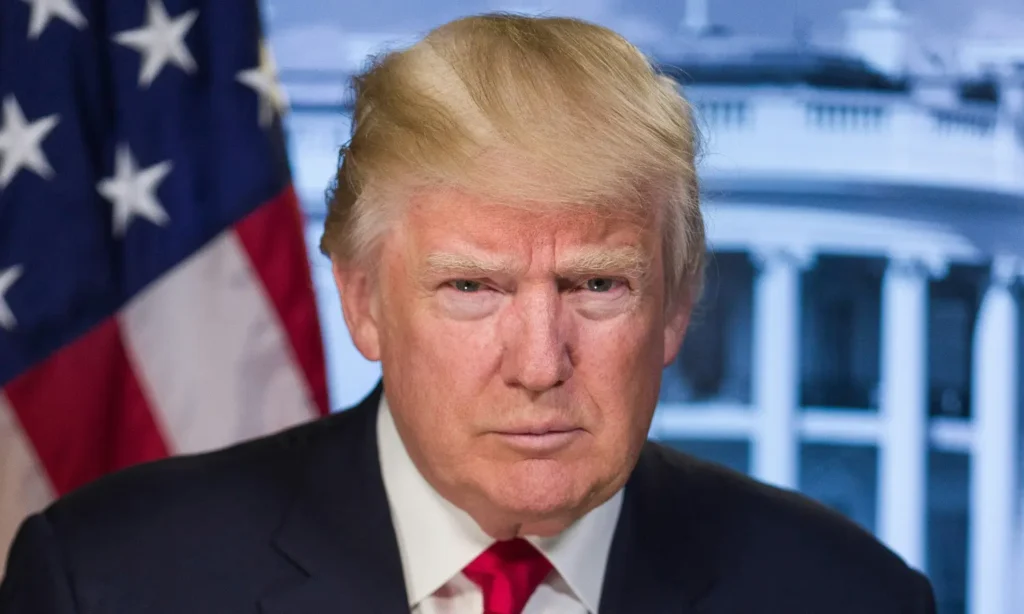
Trump has already shown a willingness to use the presidential pardon in symbolic cases linked to individual freedom and the excesses of the state. A clear example was the pardon granted to Ross Ulbricht, creator of Silk Road, whose disproportionate sentence has come to be seen even by critics as the result of an exemplary process, more focused on sending a message than doing justice.
As in the Samourai case, Ulbricht was not convicted of direct violence, but of creating a platform - code and infrastructure - that third parties used for illicit purposes. In both cases, the state chose to punish the creator of the tool rather than the end users, turning technology into crime.
Former Libertarian Party leader Angela McArdle was perhaps the main influence in getting Trump to look into Ulbricht's case, and is now focused on achieving the same for Samourai's creators.
A public petition on Change.org and a dedicated site to the case describe the defendants as developers imprisoned for writing privacy code, not for safekeeping funds or committing fraud. For libertarians, the request for a pardon works like a emergency brakeA legal argument against Bitcoin, free software and individual freedom: an attempt to prevent a bad legal argument from becoming jurisprudence against Bitcoin, free software and individual freedom.





 English