





O seu guia para a soberania!
Brazilian immigrants may have their accounts closed in the US
Share your love
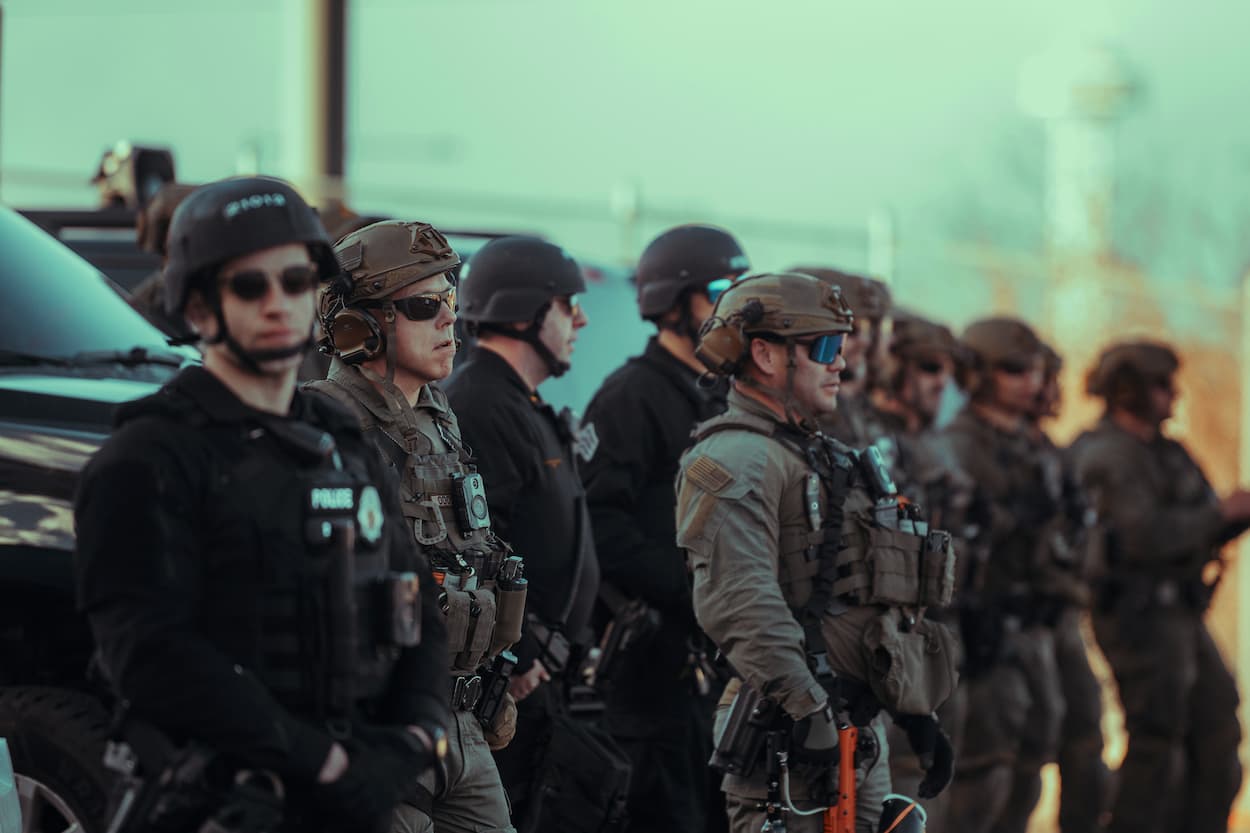
“If you're here illegally, there's no room for you in our financial system“ said the Secretary of the Treasury Scott Bessent in a post on X last year, in response to a FinCEN alert on international transfers of funds. On Thursday, he was reminded of these words before the US Senate Banking Committee, when Congress asked for an update on the Treasury's measures to combat illegal immigration.
Bessent said that he had advised regulators to “strengthen KYC (Know Your Customer), to ensure that everyone within the regulated banking system is legal,” adding that “we are encouraging banks to be more proactive” and that “we are considering a complete reassessment of the customer base”.
Referring to Minneapolis as “a hotbed of waste”, the Secretary pointed out that much of the fraud and abuse takes place outside the banking system, in financial services companies that send money abroad. “This is a vulnerability that we have identified in our system and we are taking rigorous action against it.” In early January, the Treasury issued a geographic targeting order that reduced the reporting requirements for in-kind movements from 10,000 dollars to 3,000 dollars.
“We also intensified our actions on the southern border“Because we found out that a lot of cartels are using this region for money laundering, and we did it in a targeted way instead of increasing costs for all banks,“ said Bessent. Last year, the Treasury reduced the reporting requirements for cash movements in 30 jurisdictions along the Mexican border, from 10,000 dollars for just 200 dollars.
Sovereign
Pay
Your pocket Swiss bank.
Copper via PIX anonymous and receive it at Bitcoin, dollar or balance in international card.
Knowing
Only 9 vacancies
The measures, according to Bessent, are necessary because many Suspicious Activity Reports (SARs) are presented “after the damage is done“. “I believe in financial surveillance over remittances that shouldn't be sent,” concluded Bessent, “and we also need to know where the money is going.” If implemented, these orders tend to increase the closure of customer accounts with foreign names, due to higher operating costs.
De-bankarization of Brazilian immigrants
There are around 230,000 illegal Brazilians in the United States, according to data from the Pew Research Center and many of them send money to Brazil.
From January to September 2025, legal remittances from Brazilians in the US rose by 2.8% and reached close to US$1.7 billion, according to the Central Bank of Brazil. Outside of these official statistics, there is an increasing number of Brazilians who use services outside the traditional system, the so-called “cable dollar”.
Through this “dollar cable”, a Brazilian leaves dollars in the account of an intermediary with liquidity in Brazil, who simply transfers the PIX to the account indicated. To do this, the intermediary charges up to 10%, according to our sources in Miami.
Many US banks even allowed illegal immigrants to open accounts, without requiring documents proving that the person was legal in the country. However, with stricter regulations, banks can not only require more documents, but even close the accounts of illegals.
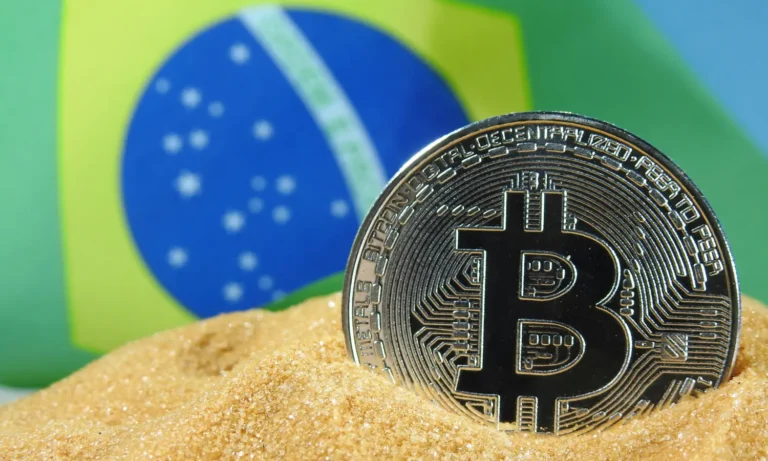
And this is when crypto-assets could become increasingly popular with Brazilians. Bitcoin and other decentralized cryptoassets can be traded freely between users and sent downwards around the world.



 English