






O seu guia para a soberania!
US congressmen call for a permanent ban on the Digital Dollar
Share your love
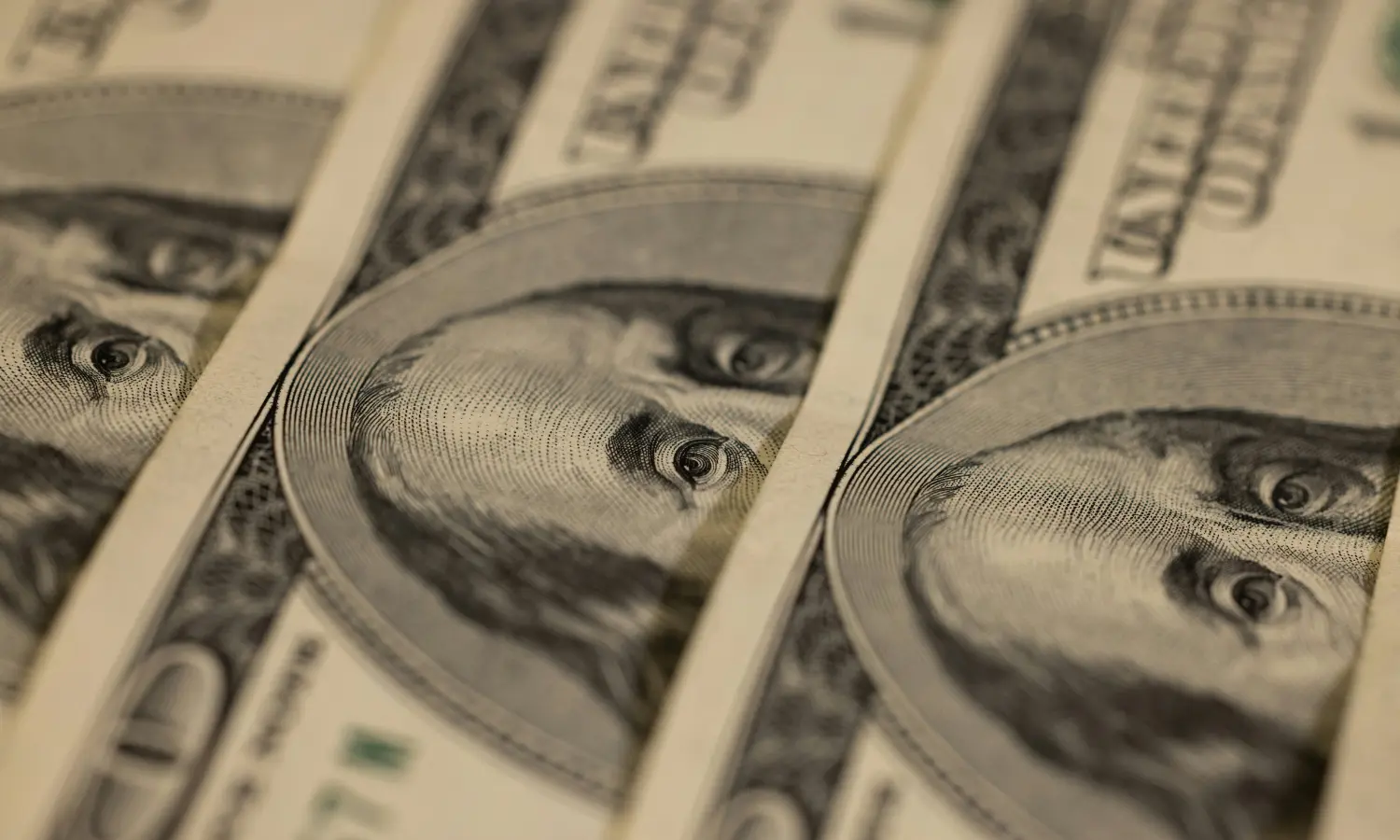
On Friday, March 6, Congressman Michael Cloud (R-TX) signed a letter addressed to House Speaker Mike Johnson and Senate Majority Leader John Thune, along with 28 other members of the US Congress. The document calls for the banning of a digital currency by the US central bank to be permanent, not temporary.
The request came after the publication of the text of the “21st Century ROAD to Housing Act”, a 300-page bill led by the Senate Banking Committee that includes a provision prohibiting the Federal Reserve from issuing a CBDC. The problem, according to the signatories, is that the ban expires in December 31, 2030.
The dispute in the US Congress
The House of Representatives had already passed, in July 2025, the “Anti-CBDC Surveillance State Act” (H.R.1919), authored by Majority Whip Tom Emmer, with permanent prohibition language. What the Senate has put in the new housing bill is, in the view of the signatories, a watered-down version: it does not prohibit the Fed from study a CBDC, and the emission ban has an expiration date.
The letter demands that the Senate restore the strong language of H.R.1919 before sending any bill to the House. Otherwise, congressmen promise to block the entire bill.
Sovereign
Pay
Your pocket Swiss bank.
Copper via PIX anonymous and receive it at Bitcoin, dollar or balance in international card.
Knowing
Only 9 vacancies
The central argument is privacy and civil liberty. The letter describes a CBDC as something that would expose Americans to unconstitutional financial surveillance and give the U.S. Central Bank unprecedented power over Americans' finances.
Representative Ralph Norman, one of the signatories, was more direct in his thread public, stating that a Digital Dollar issued by the Central Bank would be a tool that would allow the government to track every transaction and monitor how Americans spend their money.
There is also another project, “In the CBDC Act” (S 464), introduced by Senator Mike Lee in February 2025 to permanently prohibit the Fed and the Treasury from issuing any CBDCs. It, too, has stalled.
Brazilian MP wants to limit the powers of a Real Digital Central Bank in Brazil
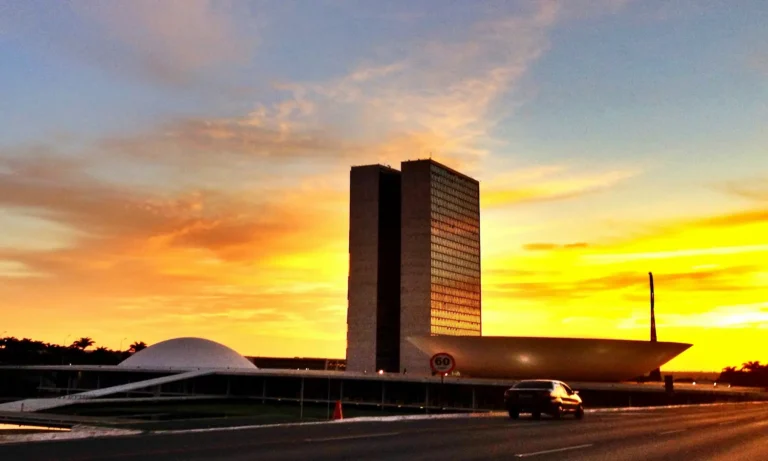
The debate is not exclusive to the USA. In August 2024, the federal deputy Júlia Zanatta (PL/SC) presented in the Chamber of Deputies the PL 3341/2024, The aim is similar to that of the US congressmen: to ban the extinction of paper money in order to replace it with digital currency.
The bill has seven articles and a lengthy justification that touches on the same points raised by the Americans, adapted to the context of Real Digital (now called Drex), the CBDC under development by the Central Bank of Brazil.
The main points of the bill:
- Prohibition of the extinction of paper moneyphysical currency cannot be replaced exclusively by digital currency under any circumstances.
- No forced course for Real DigitalNo financial system operator or end consumer can be forced to use digital currency, the choice must be free.
- Exclusive custody of financial institutionsThe Central Bank should not have direct access to balances, transactions and information from private accounts, except in accordance with the legislation already in force for conventional currency.
- Congressional approvalAny change that implies the extinction of paper money needs an absolute majority in both houses.
The congresswoman's justification is explicit about the risk she sees in Real Digital: the possibility of “financial cancellation” of political opponents, blocking of accounts without formal charges, and what she calls a “traceable digital totalitarian regime”. The text specifically cites PT proposals which, according to her, would move in this direction.
The bill has been stalled in the House since it was presented.




 English