






O seu guia para a soberania!
Nasdaq and Kraken to tokenize shares of listed companies
Share your love
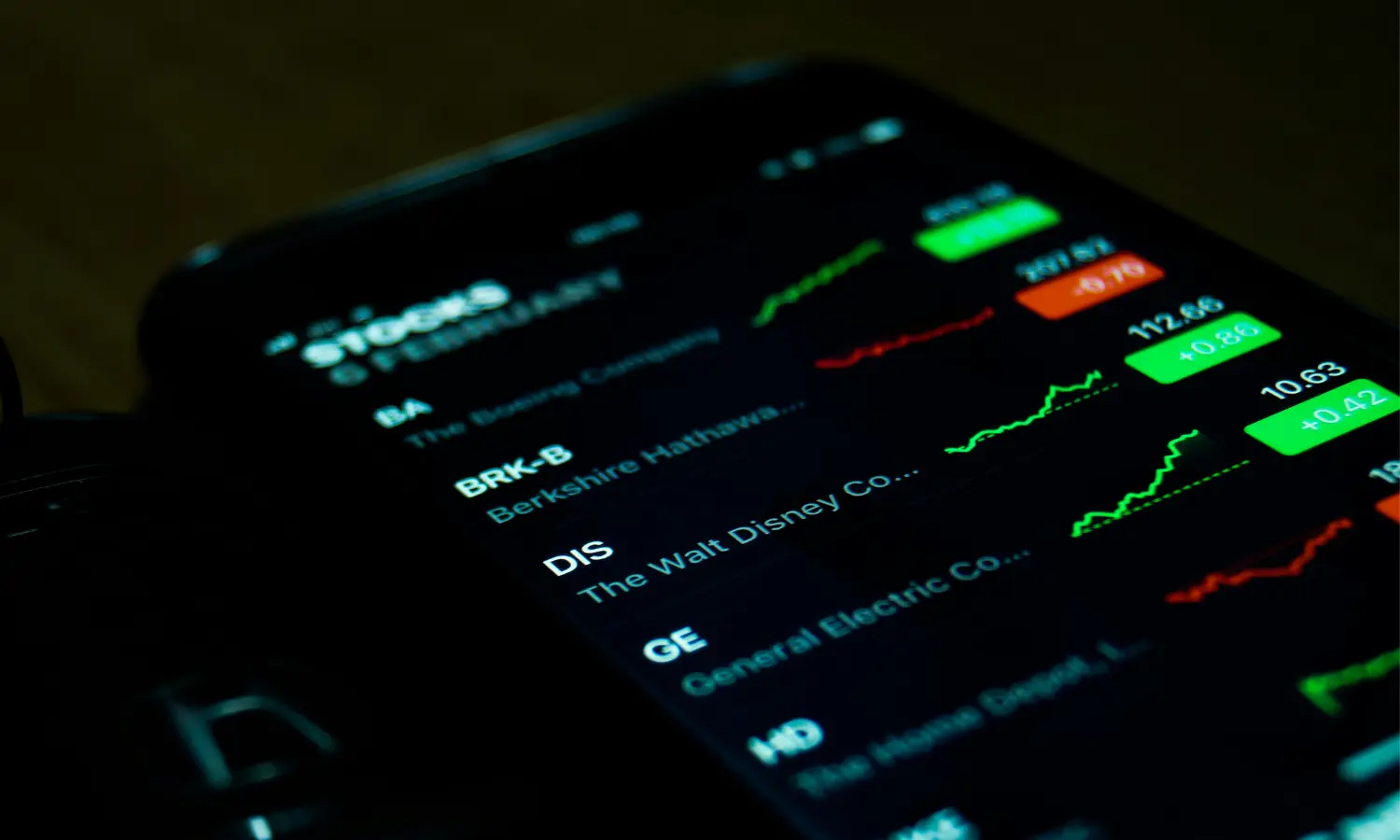
On Monday, March 9th, the Wall Street Journal reported that Nasdaq has announced a partnership with Kraken and listed companies to develop its plan to offer tokenized shares on the exchange.
In September 2025, Nasdaq had already filed a proposal to change the rules with the SEC to allow stocks and ETFs listed on the exchange to be traded in tokenized format, alongside the traditional versions, using the same trading order and ticker.
The partnership with Kraken, whose parent company is Payward, defines how this plan would reach the international market: the exchange would act as a distributor of 1:1 tokenized versions of public company shares for clients outside the US, with an initial focus on Europe.
According to official press release published by CoinDesk, In addition, token holders would have the same corporate governance rights as traditional shareholders, including voting in meetings and receiving dividends.
Sovereign
Pay
Your pocket Swiss bank.
Copper via PIX anonymous and receive it at Bitcoin, dollar or balance in international card.
Knowing
Only 9 vacancies
The move is not isolated. Last week, ICE (operator of the NYSE) made a strategic investment in OKX, another major cryptocurrency exchange, with an agreement to offer tokenized shares and crypto futures.
The world's main market infrastructures are rushing to integrate blockchain before competitors do.
The mechanism behind the proposal
Nasdaq's proposal to the SEC, published in the Federal Register in January 2026, describes a system that operates inside of the existing regulatory framework, not in parallel to it. A share traded on Nasdaq could be settled in tokenized form on the Depository Trust Company (DTC) blockchain, if the investor or broker opts for this at the time of the order. The tokenized and traditional versions would be fungible with each other, with the same shareholder rights.
In Nasdaq Newsroom interview, Chuck Mack, Senior Vice President of North American Markets, summed up the central point: the proposal does not create new or exotic instruments. It offers a different way of digitally representing the same asset that already exists. Stocks are already digital today; tokenization would just be another method of registration, now on blockchain.
The first tokenized trades could take place by the end of the third quarter of 2026, if the SEC approves the proposal. The White House and SEC chairman Paul Atkins have signaled support for initiatives that strengthen American leadership in digital financial technology.
The Kraken in two simultaneous movements
Last week Kraken reached another important milestone: it became the first cryptocurrency exchange to have access to the Federal Reserve's payment system, eliminating bank intermediaries for dollar settlements.
The partnership with Nasdaq follows soon after, and the combination of the two reveals the strategy: Kraken is building infrastructure to position itself as an access point to traditional assets for global clients via blockchain.
Distribution focused on markets outside the US also has a regulatory rationale. In the US, trading in tokenized shares still depends on ongoing SEC approval. In Europe and other markets, Kraken can operate with greater agility within the regulatory frameworks already in place for digital assets.
Tokenization is not self-custody
For the Brazilian or European investor, the concrete image is as follows: buying shares in American companies listed on Nasdaq via a cryptocurrency exchange interface, with blockchain settlement, receiving dividends and having voting rights, without needing an American broker or an American bank account.
The assets are the same. The rights are the same. It's the settlement infrastructure and access channel that change.
What remains intact is the dependence on intermediaries. The blockchain that settles Nasdaq trades is licensed and operated by the DTC, a centralized entity. Apple token on Kraken via Nasdaq will remain subject to KYC, account freezing e regulatory restrictions, Just like any stock on any brokerage today.
Tokenization in this model solves real problems of operational efficiency: faster settlement, automation of corporate actions, globalized access. But it doesn't change the nature of the asset, which remains a promise by one institution of a right in another institution.
That doesn't invalidate the movement. For those who invest in shares, there are concrete benefits of accessibility. But it's a category different from what Bitcoin representsa bearer asset that can be held directly, without a counterparty.




 English