


O seu guia para a soberania!
With conflicts in the Middle East, sales of bunkers in the US increase by 10x
Share your love
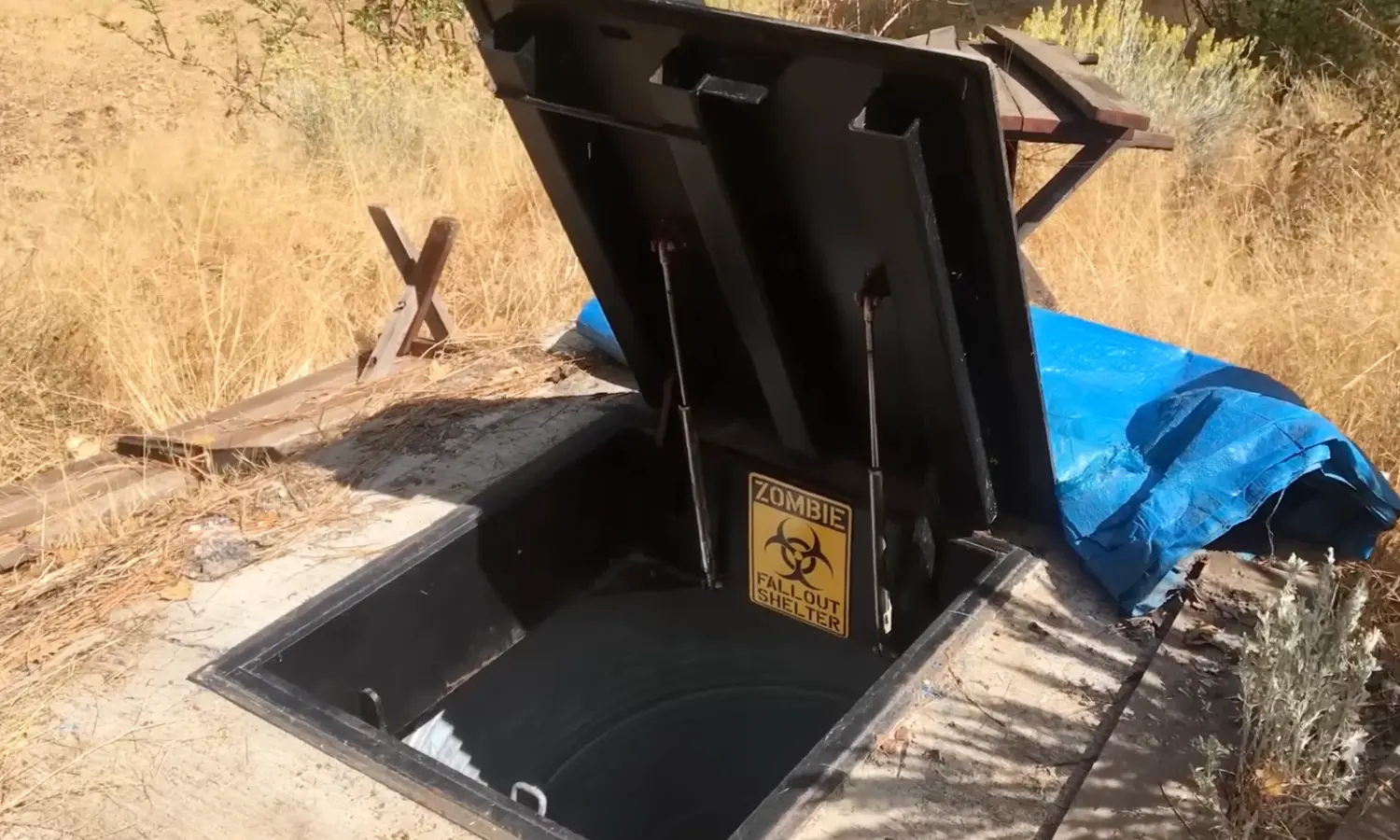
In Sulphur Springs, a town of less than 20,000 inhabitants in rural Texas, Ron Hubbard, 63, founder of Atlas Survival Shelters, is unable to meet all the demand. Since the US and Israel attack Iran on February 28, the requests for underground bunkers in his company multiplied by ten.
“Respect and demand for the product are at an all-time high that I've never seen before.”, Hubbard told AFP in the company office.
Most of the new orders come from clients in the Persian Gulf: Bahrain, Qatar, Kuwait and, above all, the United Arab Emirates. Dubai, a city that appeared in travel articles as a luxury destination until weeks ago, is being hit regularly by Iranian missiles.
“For those who say ‘those crazy Americans buying shelters’, they're not saying that anymore, because they're seeing that a country like Dubai is being bombed day after day,” Hubbard told AFP.
Sovereign
Pay
Your pocket Swiss bank.
Copper via PIX anonymous and receive it at Bitcoin, dollar or balance in international card.
Knowing
Only 9 vacancies
But the fear is not exclusive to the Middle East. Americans are buying in too. Last week, a client from Florida called Hubbard asking for a shelter for ten people. The reason: Iranian missiles hitting American targets in the region and the growing possibility of retaliation on American soil.
Two members of Trump's cabinet are in line
In interview with The Telegraph, Hubbard revealed that at least two secretaries of the Trump administration are among his recent clients. One of them sent a text message asking when the bunker would be ready. Hubbard did not disclose the names, but the detail itself says something about the level of apprehension in the circles closest to power.
Atlas' catalog ranges from basic tornado shelters, starting at US$ 200,000, to underground complexes of up to US$ 5 million, with swimming pools, cinemas, arsenals and shooting ranges. Inside, the most sophisticated models look like complete apartments: living room, kitchen, bedroom, laundry and bathroom. The main door seals hermetically and there is a decontamination chamber at the entrance, where occupants can wash if they have been exposed to contaminated environments. The ventilation system can be operated manually by a hand crank if the electricity fails.
In the factory yard, around twenty bunkers were awaiting shipment. Another forty were in production.
Below is a video of one of the luxury bunkers built by Atlas Survival Shelters.
Atlas had been earning an average of US$ 2 million per month in 2026. Hubbard said told The Telegraph that this figure could reach US$ 50 million next month. His projection to AFP is even more revealing about the pace of demand: “I expect my sales in the next two months to surpass the previous three years. But it will take me two or three years to produce all the shelters I will sell in these two months.”
CEOs, billionaires and Silicon Valley
The race for bunkers didn't start with that war. Hubbard revealed told Business Insider that he attended Mar-a-Lago last year to sell his products to an audience he describes as “Christian and conservative CEOs.” But the buyer profile has never been exclusive to this group.
Reid Hoffman, co-founder of LinkedIn, said told The New Yorker in 2017 that he estimated that more than half of his Silicon Valley billionaire peers had bought some kind of end-of-the-world shelter. Hubbard confirmed to Business Insider that it's safe to assume that most billionaires already have some kind of shelter.
Among the most talked about: reports from 2023 indicated that Mark Zuckerberg was building an underground shelter of around 4,500 square feet on his private property in Hawaii. In an interview with Bloomberg last December, Zuckerberg played it down, describing the space as a storage area and hurricane shelter.
What these figures say
Bunkers are an unusual but accurate thermometer of the level of fear among those who have the money to act on that fear. They are not impulse purchases. They cost between US$ 200,000 and US$ 5 million, take months to deliver and require installation work. When sales increase tenfold in two weeks, the signal is clear.
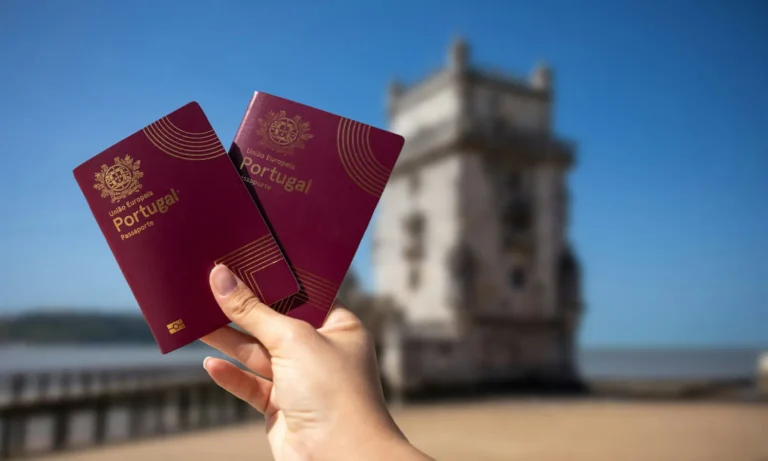
For those thinking about personal sovereignty and asset protection, the bunker phenomenon illustrates a broader point: capital preservation in extreme scenarios is not just about financial assets. It's about access, mobility and, for a growing proportion of people with resources, literally having a safe place to go - whether it's a second passport, residence in another country or, at the very least, an underground shelter in Texas.


 English