Breaking News



Your Guide to Sovereignty

Brazil taxed crypto gains long before most countries around the world had any regulatory clarity on the subject. Today, Brazilian tax residents pay between 15% and 22.5% on crypto profits, depending on the amount - and the IRS has consistently improved its ability to track these operations, including via compulsory declarations on exchanges.
Changing your tax residence to avoid this cost is a legitimate strategy, but it requires real planning. It's not enough to spend 183 days outside the country: you need to formally break the link with your Brazilian tax residence, which includes submitting the outgoing DIRPF and, in many cases, expert advice. Done correctly, the countries below offer total or almost total exemption on crypto earnings.
The list is ranked from most to least attractive for those departing from Brazil, taking into account geographical proximity, cost of entry, ease of residence and legal clarity of the exemption.
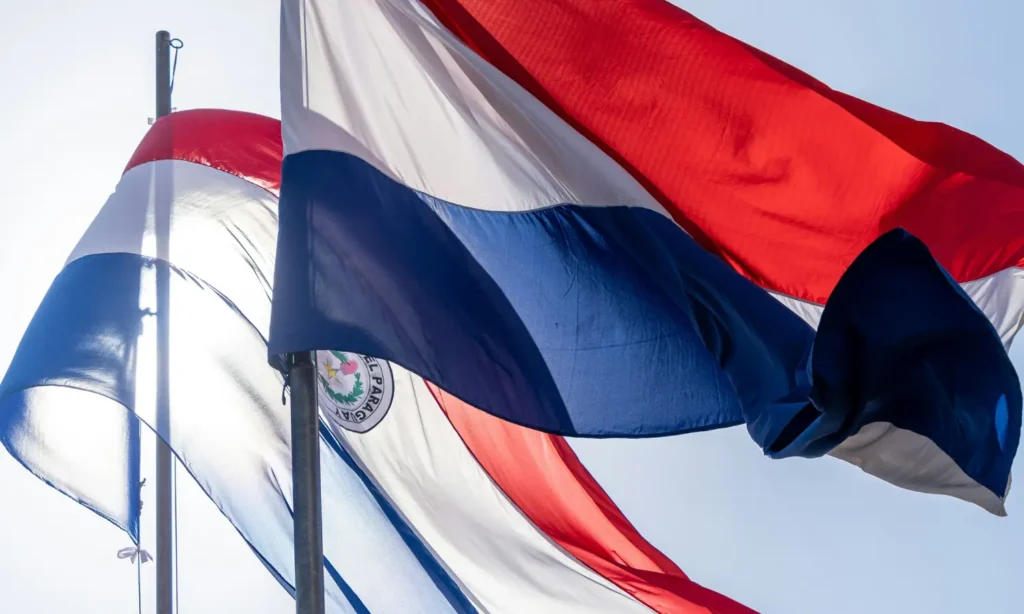
Paraguay applies a territorial tax system. Gains made on international exchanges are considered foreign source income and therefore not taxable for residents. There is no specific legislation on crypto, and there is no capital gains tax or VAT on transactions with digital assets for individuals.
One point to note: if the operation involves Paraguayan banks or brokerages, the local tax office may reclassify the income as domestic source income, which would trigger taxation from 8% to 10%. The exemption depends on whether the activity remains on international platforms.
For Brazilians, Paraguay has advantages that go beyond taxation. The country is right next door, the Brazilian community is huge (it is estimated that more than 500,000 Brazilians live in the country), the cost of living is one of the lowest in Latin America and the residency process is straightforward.
All you need is proof of regular income and to register a local tax CPF (RUC). In 2025, almost 43,000 people applied for Paraguayan residency. Citizenship can be obtained in three years for Brazilians, based on the Treaty of Friendship, Cooperation and Consultation between the two countries.
Starting a business in Paraguay also has its advantages. Corporate income tax is only 10%, and the simple tax structure allows smaller businesses to operate with low regulatory overhead.
For those who already have an operation in Brazil and are looking for a lighter parallel structure, Paraguay offers a reasonably receptive environment, with less bureaucracy than the regional average and affordable incorporation costs.
El Salvador recognized Bitcoin as legal tender in 2021 and has since built one of the most explicitly crypto-friendly regulatory frameworks in the world. The tax system is territorial, and gains derived from transactions with Bitcoin and other digital assets have favorable treatment based on local digital asset laws.
This doesn't mean that all income derived from crypto is universally exempt in any context, but the legal framework is deliberately friendly, not a loophole to be closed.
The Freedom Passport grants citizenship by donating US$ 1 million in Bitcoin or USDT, limited to 1,000 participants per year. For those who don't have that kind of capital, there is a digital nomad visa with a minimum monthly income of US$ 1,460, renewable for two years, with the possibility of progressing to permanent residence.
The cultural proximity with Brazil is less than with its South American neighbors, but the infrastructure for those who live in crypto is genuinely different. The cost of living is affordable and dollarization reduces currency risk.
Panama's tax system is territorial. Income generated outside the country is not taxable for residents, and crypto assets traded on international exchanges are generally treated as foreign source income. There is no capital gains tax on foreign income and no VAT on crypto transactions.
Panama does not yet have specific legislation for virtual assets, and the exemption rests on the general territorial principle, not on a dedicated article of law. New registration requirements for VASPs are being introduced, but the tax framework for individuals remains unchanged for the time being.
For Brazilians, Panama offers an affordable residency route via the Friendly Nations Visa, available to citizens of approximately 60 countries, including Brazil, with a minimum investment of US$ 200,000 in real estate or a local business.
The Qualified Investor route requires US$ 300 thousand. Citizenship is available after five years of residence, subject to proficiency in Spanish. The country's financial infrastructure, its position as a regional logistics hub and stability in dollars make Panama a solid operational base for those with crypto assets.
Portugal exempts crypto gains held for more than 12 months from tax. Sales within this period are taxed at an apartment rate of 28%, and crypto-to-crypto swaps are also exempt. This model was introduced with the 2023 tax reforms.
For Brazilians, Portugal has attractions that go beyond taxation: the language, ease of adaptation, bilateral agreements between the two countries and the presence of an established Brazilian community. The D7 visa requires a minimum passive income of 920 euros per month and is one of the most accessible routes for those living on variable income. The Golden Visa, restructured in 2023, channels investments into approved funds starting at 500,000 euros.
A word of warning: in October 2025, the Portuguese Parliament approved amendments that would have doubled the residency period for citizenship from five to ten years. The Constitutional Court struck down parts of the bill in December 2025, and the legislation returned to Parliament for revision. The five-year rule remains in force, but the political direction is clear.
Georgia has one of the most favorable tax structures for individual crypto investors. A 2019 public decision by the Ministry of Finance classifies income from the sale of crypto-assets as non-Georgian source income, making it completely exempt from income tax for individuals. There is no capital gains tax or VAT on crypto transactions for individuals.
For companies, Georgia uses a similar model to Estonia: the standard corporate tax of 15% is levied only on distributed profits. Reinvested profits are not taxed.
Tax residency requires 183 days in the country or qualification under the High Net Worth Individual program, which requires a minimum net worth of US$ 500,000 held in Georgia. The cost of living in Tbilisi is significantly lower than in Lisbon or Panama City.
The crypto infrastructure has grown considerably in the city, and the country is attracting a growing number of digital nomads and investors in digital assets. The language barrier is real (own alphabet, limited English outside urban centers), but adaptation has been easier than it seems for those who settle in Tbilisi. Citizenship is available after ten years of permanent residence.
Costa Rica operates under a territorial tax system. Gains from crypto traded on international exchanges are considered foreign source income and are not taxed. There is no specific legislation on crypto, and the current tax treatment rests on the general territorial principle.
If the activity generates income considered to be locally sourced, the regular rates of up to 25% may apply, but for those operating on international platforms, exemption is the prevailing practice.
For Brazilians, Costa Rica offers a high quality of life, unspoiled nature, reasonable health infrastructure and a receptive environment for expats. The rentista visa requires a stable monthly income of at least US$ 2,500 for two years.
There is also a visa for investors with a minimum investment of US$ 150,000 in a Costa Rican property or company. Citizenship is available after seven years of residence. The country has had no army since 1948 and maintains enviable political stability by regional standards.
The UAE has no income tax for individuals and no capital gains tax. For individuals acting in a personal capacity, trading, staking and crypto mining do not generate tax liability. If the activity reaches the level of a company, corporate tax of 9% may apply.
Crypto transactions have been exempt from VAT since November 2024, retroactively to January 2018, according to Cabinet Decision No. 100 of 2024.
The Emirates Golden Visa grants ten-year renewable residency upon purchase of real estate or investment fund shares worth at least AED 2 million (around US$ 545 thousand). Coverage extends to immediate family members.
For high-income Brazilians, Dubai has become a growing destination. The cost of living is high by Brazilian standards, but the infrastructure is first world, security is high and the business environment is sophisticated.
The point to note: the Emirates have signed a commitment with the OECD's CARF, with automatic data exchange scheduled to begin in 2028. The crypto will not be taxed locally, but the Brazilian IRS will know about the existence of the positions once the system is operational and if you still have ties to Brazil.
Germany treats crypto-assets as private money, not capital assets. Anyone who holds crypto for more than 12 months before selling is completely exempt from tax on gains, regardless of the value.
Selling before a year has passed, however, subjects gains above 1,000 euros a year to personal income tax, which can be as high as 45%. Income from mining and staking is also taxed.
For Brazilians, Germany has a particular attraction: German citizenship means citizenship of the European Union, with freedom of movement throughout the bloc. With the 2024 reforms, citizenship is available after five years of residence, and dual citizenship is now accepted.
The self-employed visa (§21 of the Residence Act) requires investment in a business with regional economic benefit, with values typically starting at 250,000 to 350,000 euros to demonstrate viability. The Brazilian community in Germany is significant, with an estimated 150,000 Brazilians in the country.
Malta does not tax capital gains on crypto held as a long-term store of value. The country recognizes crypto-assets as a unit of account, medium of exchange or store of value under the Virtual Financial Assets Act. Frequent or short-term trading, however, is treated as business income and taxed at a maximum rate of 35%, although residency structures can reduce this to between 0% and 5%.
The Malta Permanent Residence Program requires the purchase of a property (minimum 375,000 euros) or a minimum rent of 14,000 euros per year, plus a government contribution. The Maltese citizenship program grants an EU passport for a contribution of 600,000 to 750,000 euros after a period of residence of 12 to 36 months.
For Brazilians seeking European citizenship and asset protection, Malta combines access to the EU with exemption for long-term holders. It is worth remembering that MiCA regulations apply as Malta is a member of the EU, and DAC8 transparency requirements will progressively increase the visibility of crypto positions.
Singapore has no capital gains tax. Gains from the sale of crypto are generally not taxable for individuals, as long as the activity does not constitute income by nature. If the Inland Revenue Authority determines that your trading constitutes commercial activity, the profits are taxed at up to 22%.
The line between personal investment and trading activity depends on frequency, intention and degree of organization. Occasional purchase and maintenance is treated differently from frequent, high-volume trading.
Singapore closes the list not for lack of merit, but for its high entry ticket. The Global Investor Program requires a minimum investment of SG$ 10 million (around US$ 7.8 million) for immediate permanent residence. More accessible routes exist via the Employment Pass, but depend on employment.
For Brazilians with this capital profile, Singapore offers world-class infrastructure, solid institutional stability and access to the Asian market. The country has signed a commitment with CARF to exchange data from 2028.
None of them work as a shortcut. The tax exemption only applies if you are, in fact, a tax resident of the country in question and have formally severed your ties with Brazil. The departure from Brazil must be communicated to the Receita Federal via the definitive departure DIRPF, and the break in ties must be real: bank account, property, dependents, active CNPJ and other ties can keep you as a Brazilian tax resident even if you live abroad.
The 183-day rule circulating on the internet is a dangerous simplification. It defines tax residency in some countries, but does not automatically undo Brazilian tax residency.
Before making any changes, it is worth consulting a tax lawyer with experience in international law. The cost of this consultancy is derisory compared to the tax the strategy aims to avoid - and the risk of getting the planning wrong.
 Português do Brasil Português do Brasil
  English
 Español