Breaking News

Popular News



Your Guide to Sovereignty
The Central Bank has officially banned the use of block accounts by financial institutions and BaaS companies. Now, all transactions must take place exclusively in individual customer accounts, reducing privacy and increasing the operating cost of financial platforms.
The Central Bank of Brazil (BC), through the Joint Resolution No. 16/2025, The European Commission's report, which was published in the Official Journal of the European Union, effectively decreed the end of so-called "pocket accounts" in the financial and payments market. The rule increases regulatory transparency, but also reduces users' financial privacy and tends to increase operating costs for institutions that rely on BaaS (Banking as a Service) infrastructure.
The resolution deals with companies that provide Banking as a Service services, the borrowers of these services (including Payment Institutions) and relations with end customers.
BaaS are banking technology companies that serve as infrastructure for other institutions. Among them are Celcoin, Dock and Pismo, which help various companies integrate banking solutions.
In order to reduce costs and at the same time offer greater privacy to users, many BaaS-taking institutions used the so-called pocket accounts. In them, the money of all the clients was concentrated in a bank account held by the company, In some cases, the client would even use the customer's credit card, which internally kept track of the balances. In some cases, the client even used the CNPJ of the platform itself to receive or send resources.
The new regulations, in article 8 and item XI, put an end to this practice:
“The BaaS service provider is prohibited from making payment transactions, receipts and deposits in its own account of amounts related to services provided by the BaaS service provider to clients.”
In addition, Article 4 reinforces that no transactions can leave or arrive through the company account, by demanding that:
“Payment transactions must originate or end exclusively in accounts held by the customer.”
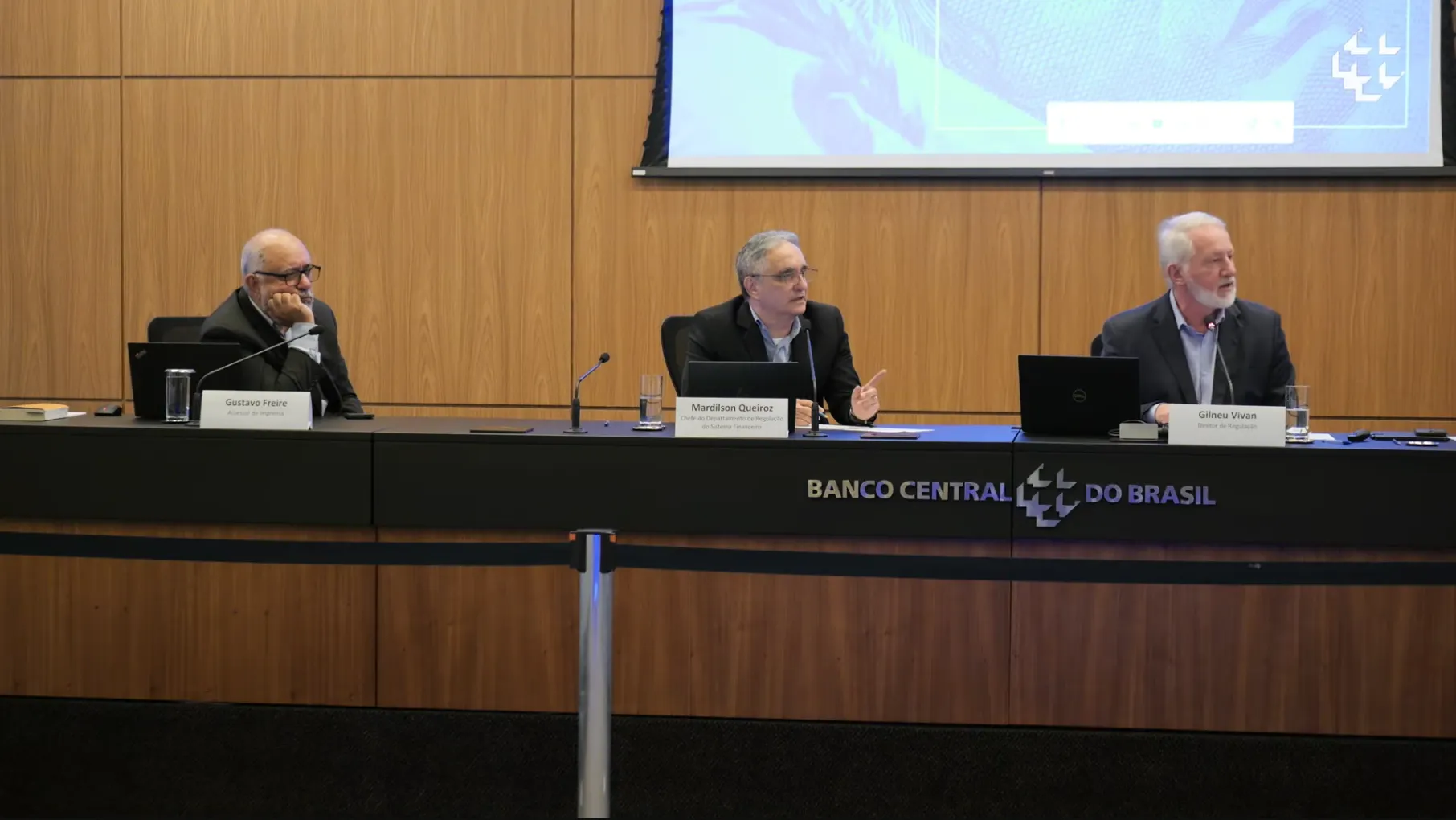
Responding to the press, Gilneu Vivian, director of Regulation at the Central Bank, categorically confirmed the end of "bolsões" accounts and any similar model based on escrow account controlled by the platform:
“There will be no question of it being a pocket account, where the BaaS borrower manages who the parties are in an escrow account. All customers will be identified in the institution that is providing that service. “ said Gilneu Vivan, director of regulation at the Central Bank.
Check out the full video:
Yes. Resolution 16/2025 prevents companies from receiving, storing or moving client money in their own accounts. Companies have until 2027 to adapt.
Only if no represent real money. Points, cashback, tokens and vouchers are allowed.
Yes. Each customer will have an individual account with the BaaS provider, increasing the traceability of transactions.
Yes, BaaS-taking IPs should also abandon pocket account models.
Standard 16/2025 comes into force immediately and companies with current contracts have until December 31, 2026 to adapt.
 Português do Brasil Português do Brasil
  English
 Español