Breaking News




Popular News






Your Guide to Sovereignty
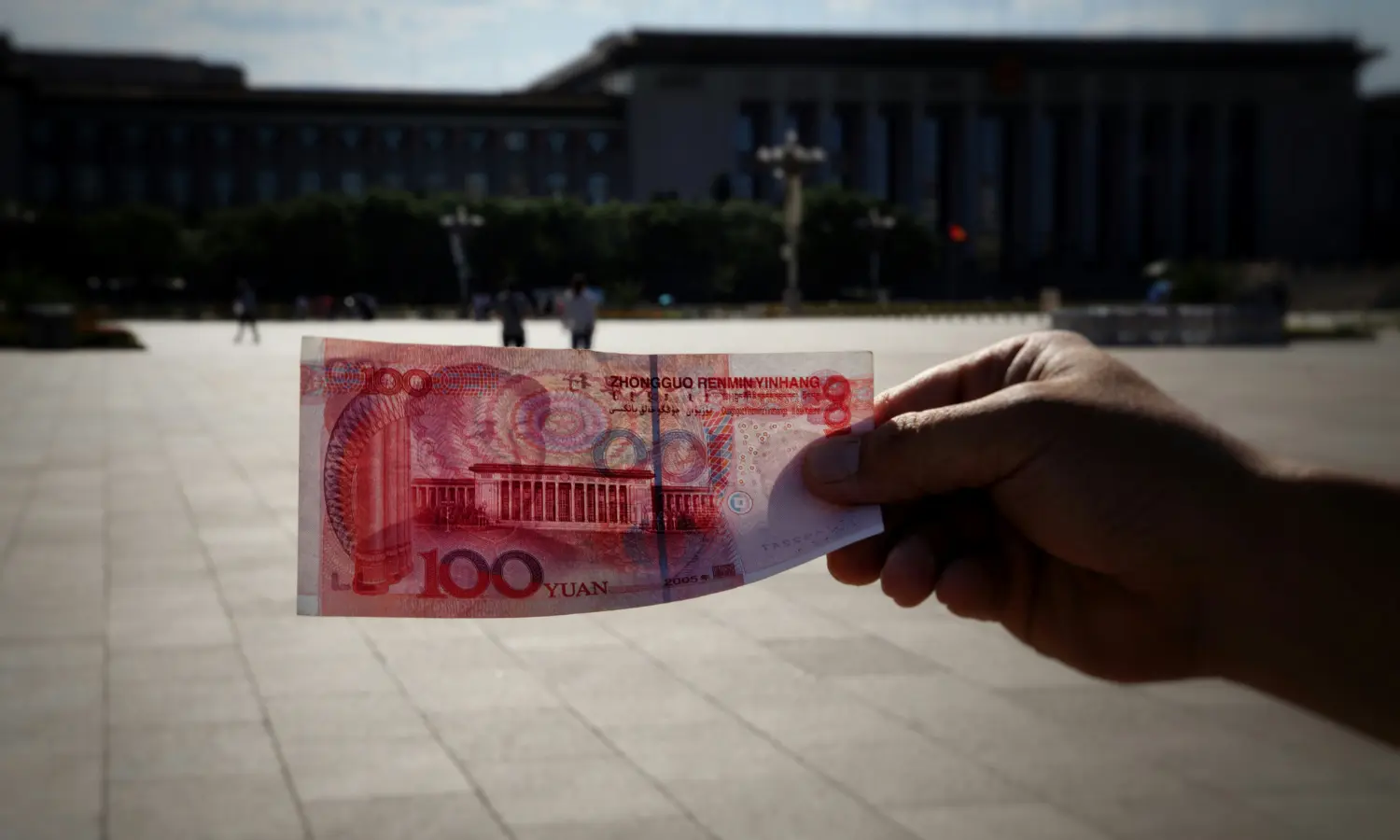
The Chinese authorities have taken another decisive step in tightening control over the crypto sector and any attempt to tokenize real assets outside state control.
On Friday (06/02), the People's Bank of China (PBoC), together with seven other regulatory agencies.., published a joint directive prohibiting the issuance of stablecoins linked to the yuan, as well as the tokenization of real assets, such as gold, silver and other goods, without explicit authorization from the government.
The measure applies both to companies based in China and to offshore subsidiaries controlled by Chinese entities. The stated aim is to preserve monetary sovereignty and reduce risks to financial stability, at a time when Beijing accelerates the expansion of the digital yuan.
The authorities emphasize that stablecoins do not have legal tender status and that any activity related to them within the continental territory is classified as illegal financial operation.
According to the official statement, “speculation involving cryptocurrencies and the tokenization of real-world assets has occurred from time to time, driven by multiple factors, presenting new challenges for risk prevention and control, which requires stronger regulation to safeguard national security and social stability”.
The directive reinforces the ban on foreign providers. Offshore platforms are still barred from offering any kind of cryptocurrency-related service to Chinese residents. In addition, the government has made it clear that citizens and companies located in China that provide technical or operational support to these platforms could also be held responsible.
Market analysts point out that the decision is based on two strategic objectives: curb capital flight and ensure that the state retains a monopoly on the digitization of money. With the expansion of tests and pilots of the digital yuan, Beijing seeks to eliminate any private alternative that could compete with its sovereign digital currency.
The ban comes after a period of strong volatility in the global digital asset market, marked by significant falls in the prices of the main cryptocurrencies since the end of 2025. For the Chinese government, this scenario reinforces the argument that the sector poses systemic risks when operated outside state control.
Overall, the new guideline reaffirms China's historically restrictive stance on decentralized finance. At the same time, it makes it clear that the digitalization of money will only be allowed under the terms defined by the State itself, with the digital yuan playing a central role in the country's financial architecture.
 Português do Brasil Português do Brasil
  English
 Español