Breaking News





Your Guide to Sovereignty
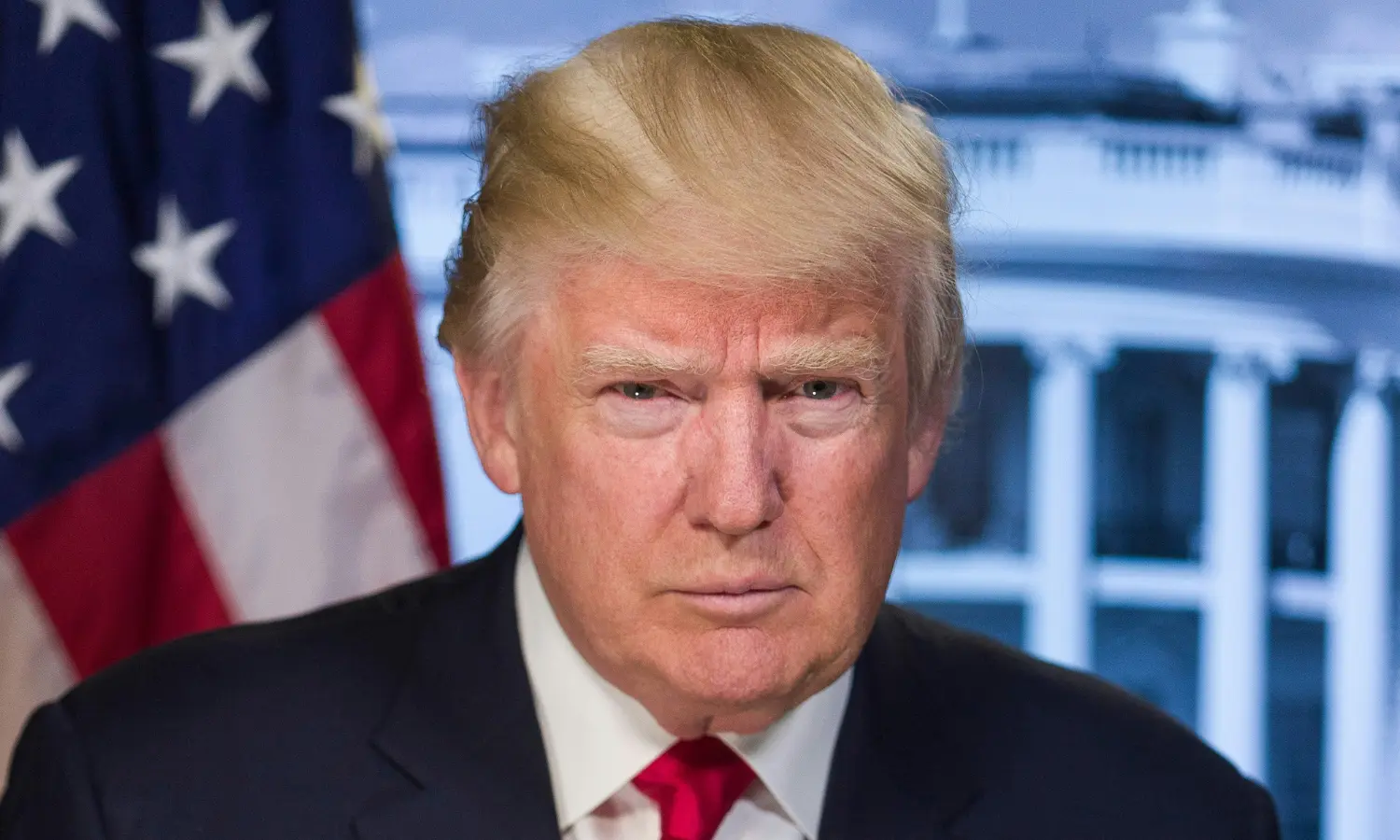
The White House has once again put the issue of cryptocurrencies at the center of the political debate in the US by publishing the statement on X that “Thanks to Trump, America is the Crypto Capital of the World!”.
The tweet recalls a speech Trump made in May 2024, in which he promised to stop what he called the Biden administration's “crusade” against the cryptocurrency market. The publication goes on to say that GENIUS Act, signed by the current US president, has kept the US at the forefront of the global cryptocurrency market.
The publication reinforces the United States' interest in maintaining the support from the crypto sector, both by economic reasons and political calculations. For investors, this is positive, as it indicates that the segment has now gained enough weight to influence government decisions, albeit partially.
Since the beginning of the Biden administration, a significant part of the crypto community has accused the government of adopting a hostile stance towards the sector. And the attacks have come from different fronts.
At the end of last year, Republicans in the House of Representatives presented a report on the wave of de-bankarization against the cryptocurrency industry under the previous administration, using federal regulators to pressuring banks to cut ties with companies and users of digital assets.
There were dozens of “pause letters” sent by the FDIC between March 2022 and May 2023 to regulated banks, instructing them to “pause or not expand crypto-related activities” and to provide additional information before moving forward.
These letters only came to light in response to requests under the Freedom of Information Act, similar to the Access to Information Act we have in Brazil.
The GENIUS Act emerges in this discourse as a symbol of this change in attitude. The proposal regulates stablecoins in the United States and authorizes payments with these digital assets.
When the law was passed, Senator Bill Hagerty used the same term as the White House in X, writing that “with GENIUS, the United States is one step closer to becoming the cryptocurrency capital of the world.”
The project requires stablecoins to have cash reserves or short-term US securities, and the monthly publication of reserves in a transparent manner, with regular audit.
It also bans algorithmic stablecoins and restricts “rehypothecation” (using the same reserve several times) and mixing the reserves with the company's cash. Finally, he explains that stablecoins that follow the law are not securities, essentially taking these assets out of the SEC's hands.
Despite not mentioning Bitcoin, part of the market saw the law in a positive light, as stablecoins serve as a bridge for buying BTC or other digital assets.
Update: This Tuesday (27), Tether launched USAT, its dollar stablecoin parallel to USDT to comply with US federal regulations.
Despite the celebratory tone of the White House, the crypto community is still not fully satisfied. For some, the measures announced are insufficient given the scale of the problems facing the sector in the United States.
One of the recurring requests is for a tax reform. Critics argue that the current tax regime on cryptocurrencies remains onerous and uncompetitive compared to other countries.
For Pierre Rochard, CEO of The Bitcoin Bond Company, the policy of taxing bitcoin is terrible and drives wealthy investors to other countries.
“BTC is not taxed in Dubai, El Salvador, Thailand, Puerto Rico, Singapore and Germany (after holding for 1 year). There is no excuse for Bitcoin to be taxed in the United States. It's a terrible policy that undermines Trump's Bitcoin superpower agenda. We cannot accept it”, tweeted the entrepreneur.
Another sensitive issue involves presidential pardons. Part of the community argues that Trump could go further by granting clemency to developers who are imprisoned or facing prosecution for creating privacy tools, as in the case of Samourai Wallet.
For these critics, punishing developers for writing code is tantamount to criminalizing neutral tools, setting dangerous precedents for technological innovation and freedom of expression.
Reposting the White House tweet, 256 Foundation co-founder and podcaster Econoalchemist commented: “Pointless nonsense as long as Bill and Keonne are in prison.”
These demands reveal a constant tension: although Trump is seen by many as more favorable to cryptocurrencies than Biden, there is a growing expectation that political support will translate into deeper and more structural actions.
 Português do Brasil Português do Brasil
  English
 Español