Breaking News



Your Guide to Sovereignty
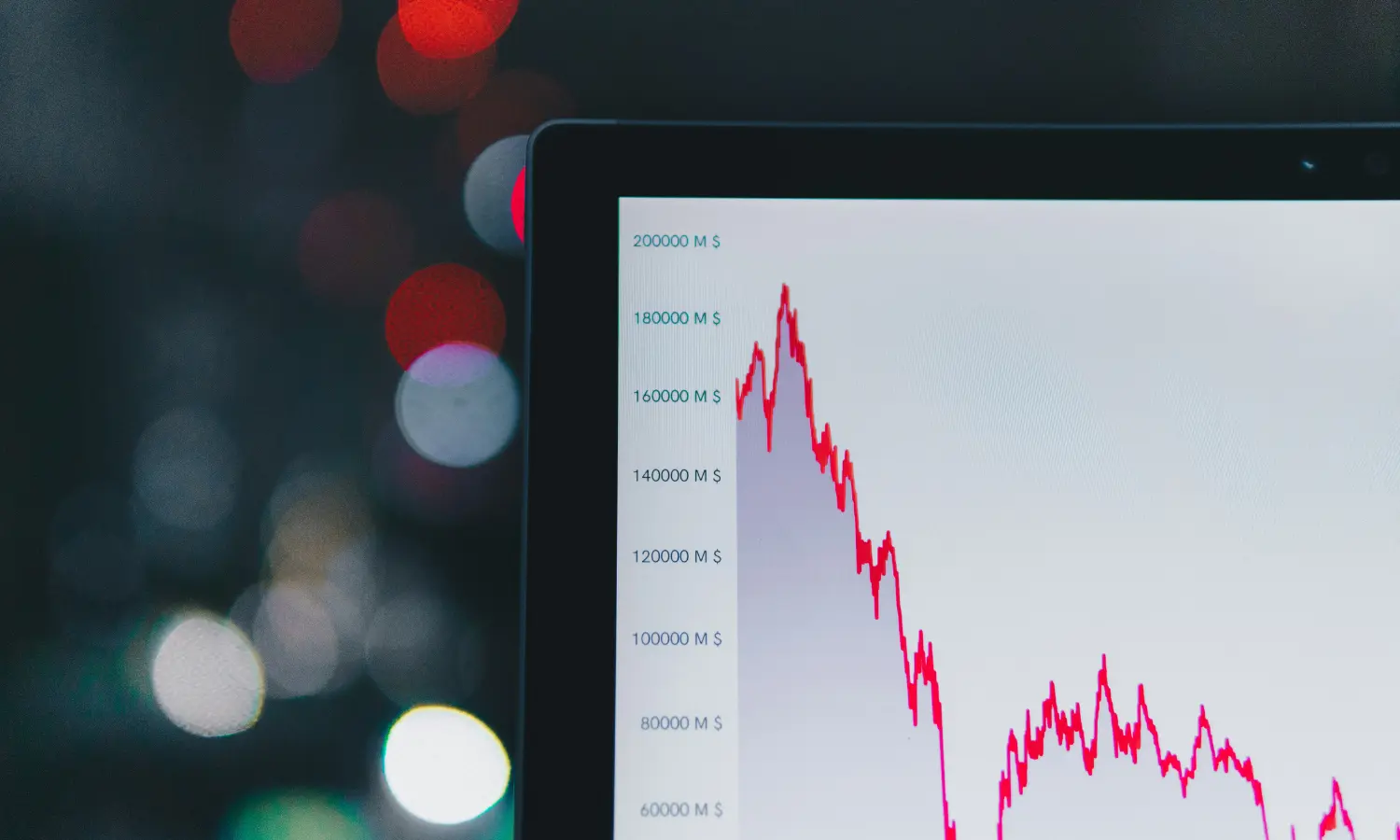
On Thursday morning, a trader tried to buy AAVE using US$ 50 million in stablecoins via Aave's swap interface. The operation was processed. The trader received 324 AAVE - at the time equivalent to approximately US$ 150 thousand. The rest was absorbed by slippage: the difference between the expected price and the price actually executed on a single order that is too large for the market to absorb at a fair price.
The slippage was not a silent surprise. According to Stani Kulechov, founder of Aave, The interface displayed an explicit warning about the extraordinary slippage and required the user to check a confirmation box before proceeding. The user, operating via cell phone, confirmed the warning and executed the transaction.
The CoW Swap routers, which feed Aave's swap interface, worked as designed. The CoW Protocol, in official statement, He said: no DEX, aggregator or liquidity pool would have been able to execute that order at anything close to a reasonable price. The problem wasn't the protocol. It was the order.
Liquidity in cryptoasset markets, especially in decentralized pools, is finite and distributed in price bands. When an order is too large in relation to the available liquidity, it “sweeps” through the pool's price book: it starts by buying at the cheapest prices, exhausts that liquidity, moves up to the next range, exhausts it again, and so on until the order is completely filled.
For an order of US$ 50 million in an asset with limited liquidity like AAVE, the effect was devastating. The average execution price was a tiny fraction of the market value.
In traditional markets, trades of this magnitude are executed in parts, over hours or days, precisely to avoid this effect. In DeFi, there is no intermediary to refuse the order or split the execution automatically, only the user himself can take care of this.
The phrase that circulated on the networks sums up the paradox: as @UncleIndigo wrote on X, The contracts were executed exactly as written. The warning system went off. The confirmation box was there. And yet, someone lost more than US$ 49.8 million in a few clicks.
Permissionless - without permission, without an intermediary, without the possibility of blocking - is DeFi's greatest strength. It's also what made this error possible. The protocol did exactly what it was designed to do, including processing a US$ 50 million order the moment someone clicked confirm.
Aave and CoW Protocol have announced that they will return the fees collected in the transaction: US$ 600 thousand from Aave and the corresponding amounts from CoW DAO. Kulechov said that the team will try to contact the investor.
The episode went viral in the crypto bubble on social media. The Autism Capital account on X wrote: “There's someone worried about paying the bills at the end of the month and there's another who literally kept US$ 50 million on his cell phone to randomly allocate to altcoins. Warning? Extreme slippage? He didn't care. SWAP. There are levels to this game.”
But beyond the irony, the episode points to a real tension in the design of decentralized protocols. DeFi was built on the premise that no one should be able to block a transaction - and that's a genuinely important principle, especially in collapsing markets, where the ability to exit a position immediately can be the difference between protecting or losing an asset. Adding locks that prevent certain transactions means deciding who can do what - which is exactly what DeFi is there to prevent.
The way out that Kulechov and CoW Protocol are exploring is not to ban large orders, but to build better guardrails: more intrusive warnings, multi-step confirmations, automatic suggestions to split the order. Protecting without restricting. It's a UX (user experience) problem with million-dollar consequences.
 Português do Brasil Português do Brasil
  English
 Español