Breaking News



Popular News




Your Guide to Sovereignty
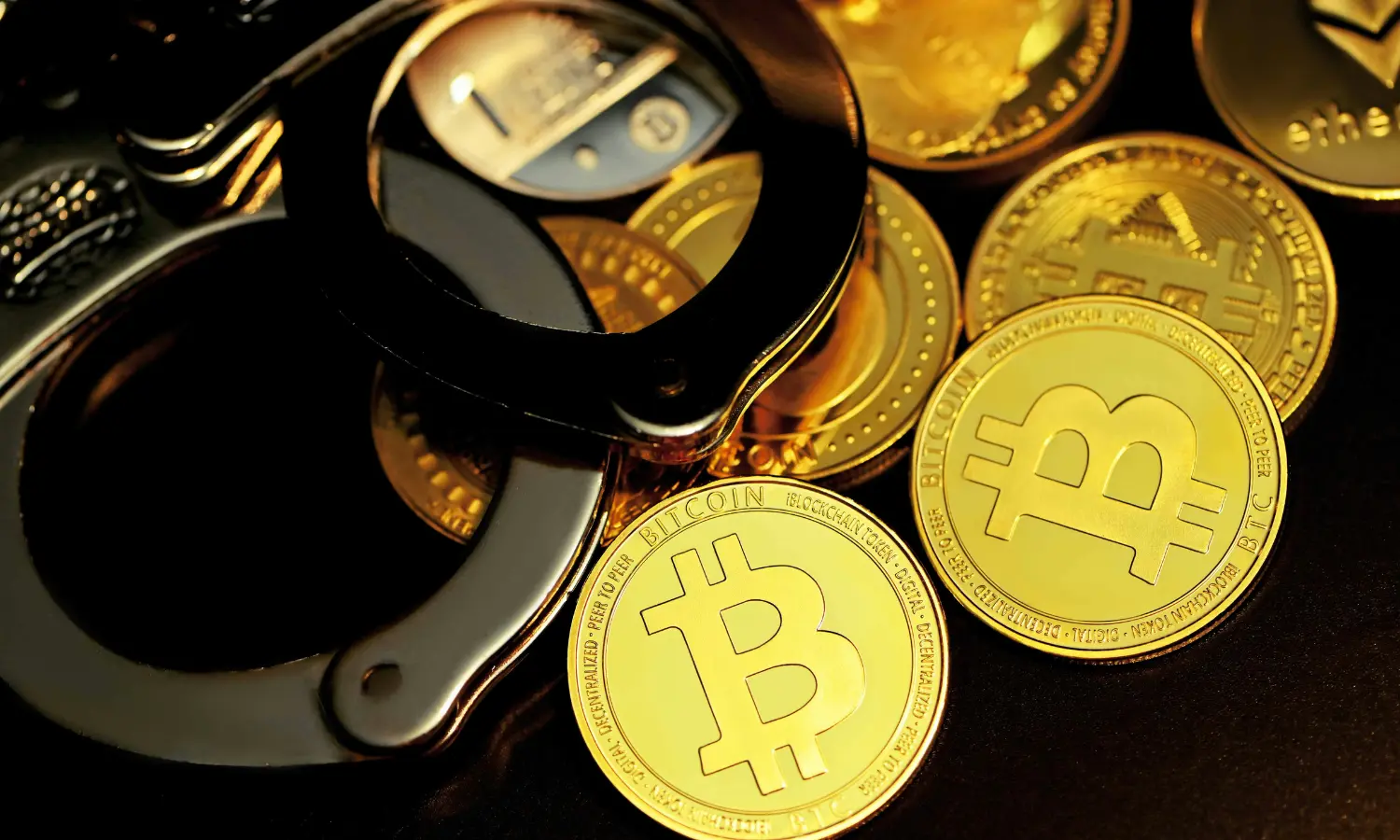
It was just after 8am when three hooded, gloved men dressed in black rang the doorbell of a house in Le Chesnay-Rocquencourt, a French commune. They said they were policemen.
The resident, a 59-year-old woman, opened the door. She was immediately knocked to the ground and suffered a shoulder injury. The three men in black broke into the house, went upstairs and found her 58-year-old partner in his office. One of the attackers pulled out a knife and threatened to attack the woman if the man didn't transfer his cryptocurrencies to a wallet they controlled.
He complied. The equivalent of 900,000 euros - approximately R$ 5.4 million - in Bitcoin was sent. Once the transfer was confirmed, the attackers immobilized the victims on the sofa, tied the man up and fled in a vehicle. The couple called the emergency services immediately afterwards.
The information was confirmed to AFP by the Versailles parquet, which opened an investigation into kidnapping in a criminal association, armed robbery in a gang and gang formation. The investigation was entrusted to the Brigade de répression du banditisme (BRB), a specialized unit of the French judicial police. No arrests had been made by the time this article was published.
The case is not isolated. France has seen a growing wave of physical attacks against crypto-asset holders since the beginning of 2025, phenomenon which became known internationally as “wrench attack” - wrench attacks, in reference to the use of physical violence rather than technical invasion to steal digital assets.
Among the most serious cases: in January 2025, Ledger co-founder David Balland was kidnapped and had a finger amputated before being freed by a GIGN operation. In December 2025, an armed group stole almost 8 million euros in crypto from a couple near La Rochelle. In January 2026, an investor and his family were tied up and beaten in Verneuil-sur-Seine, also in the Yvelines. In February 2026, an attempt was made to kidnap the daughter and grandson of the CEO of a crypto company on the street in Paris.
In August 2025, the phenomenon became serious enough for the French government to issue a decree allowing professional investors to omit their residential addresses from the Trade Register - a measure directly related to concerns that public data is being used to identify and locate targets. French law enforcement authorities suspect that part of these operations is facilitated by data leaks from crypto-asset management applications.
Between mid-2023 and the end of 2025, there were at least 40 organized incidents of physical violence against crypto holders in France, according to an analysis by the French specialized press.
Attacks like this highlight a dimension of risk in crypto that doesn't show up on price charts: the personal exposure that comes with owning high-value assets and verifiable identity. Self-custody in cold wallet protects against hacked exchanges and remote seizures, but not against three men at your door.
The precautions that operational security experts recommend for holders of significant crypto assets include: not publicly disclosing the volume of holdings, avoiding mentioning physical addresses in any context linked to crypto identity, using legal structures that separate name from home address, and maintaining active discretion - what security professionals call “opsec” (operational security).
The case of Le Chesnay is still under investigation. The suspects remain at large.
 Português do Brasil Português do Brasil
  English
 Español