





O seu guia para a soberania!
CCJ approves bill limiting cash in Brazil
Share your love
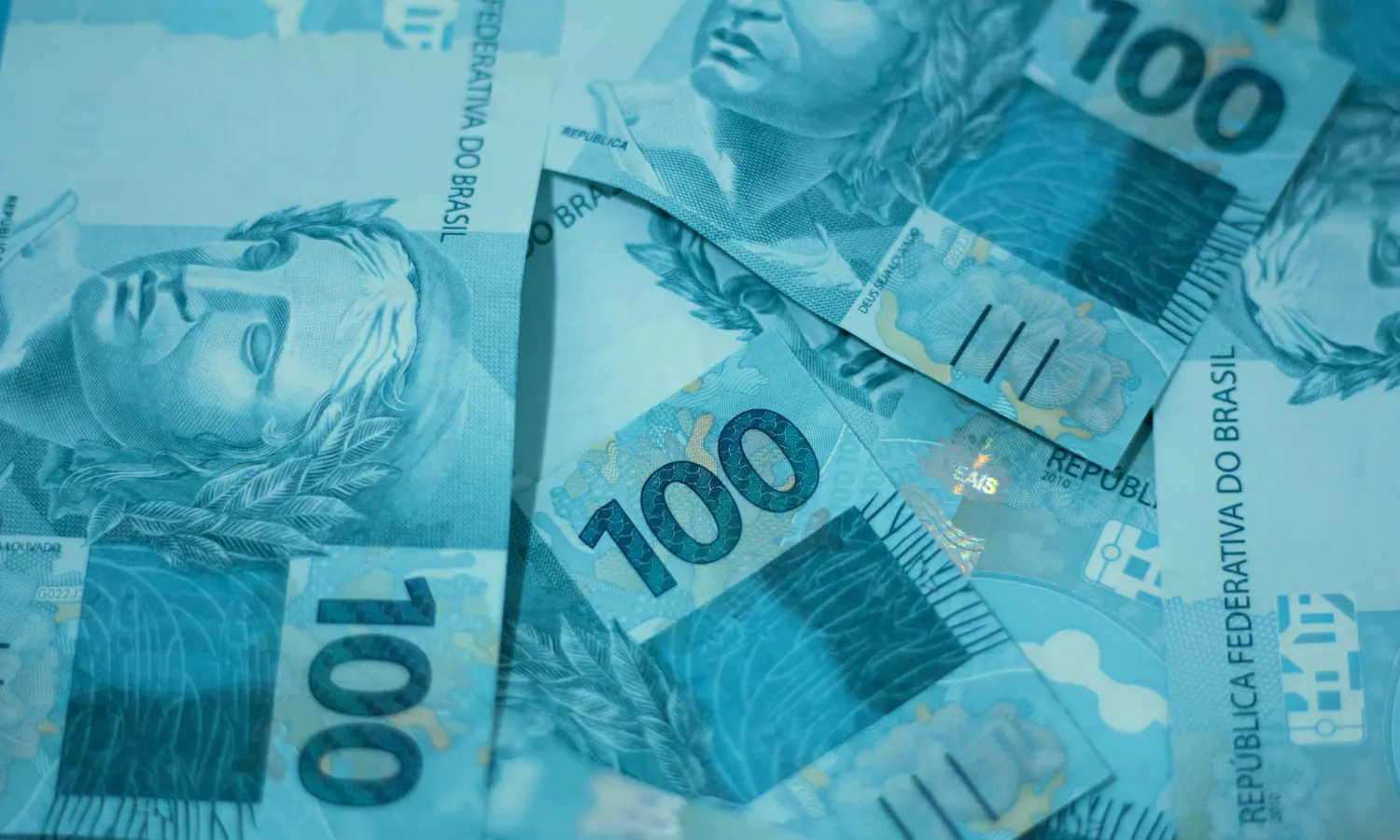
On March 4, 2026, the Constitution and Justice Committee (CCJ) of the Senate approved, in a supplementary round, PL 3.951/2019 - the bill that establishes limits and conditions for the use of cash throughout the country. The bill now goes to the Chamber of Deputies.
We've already written here about why governments want to do away with cash. What happened on Wednesday is yet another chapter in this story, and it is far from over.
What the approved bill changes
The approved text is a substitute by the rapporteur, Senator Oriovisto Guimarães (PSDB-PR). Instead of setting values directly in the law, the bill delegates to the National Monetary Council (CMN), in consultation with Coaf, has the power to set ceilings and conditions for payments in cash - including checks and bank slips.
In practice, this means that Congress didn't decide on the limits: it delegated that power to a technical body, with the ability to update the parameters without having to go through the legislature again.
Sovereign
Pay
Your pocket Swiss bank.
Copper via PIX anonymous and receive it at Bitcoin, dollar or balance in international card.
Knowing
Only 9 vacancies
An amendment kept in the text expressly prohibits this, the use of any value in kind in real estate transactions - no value exceptions. Selling or buying a property with cash is now forbidden.
Another amendment, by senator Rogério Carvalho (PT-SE), establishes that anyone who fails to comply with the rules will be subject to a fine of seizure and possible confiscation of funds.
The government's narrative
The bill is presented as an instrument to combat money laundering, terrorist financing and corruption. The rapporteur cited a publication by FGV and Transparency International as inspiration. Senator Sergio Moro expressed support, arguing that the measure reduces opportunities for money laundering.
In fact, physical money may be the quietest way to transfer value: leaves no trace. This explains why many financial crimes are carried out in state currency, and not in cryptocurrencies, as some Bitcoin critics might think.
But the problem with this reasoning is the same as always: the proposed solution punishes everyone to persecute a few. Cash is not the exclusive tool of criminals. It is the medium of exchange for millions of Brazilians who simply prefer, or need, to operate outside the banking system.
Furthermore, by delegating the setting of limits to the CMN, the project creates a permanent control mechanism that can be tightened at any time - no parliamentary debate, no vote, no public visibility.
It's practically a kill switch in cash, a tool capable of shutting down the entire system when they see fit. Suddenly, not even the money under your mattress is really yours.
More control, less privacy
As we've already explained here, full traceability of financial transactions is a double-edged sword. On the positive side, it makes financial crime more difficult. On the downside, it is almost never mentioned in debates in Congress: gives the State - and anyone else who has access to this data - a complete map of each citizen's financial life.
International examples are instructive. In Canada, in 2022, the bank accounts of truck drivers participating in peaceful protests were frozen without formal charges. In Nigeria, protesters against police brutality had access to their own money blocked. In the Wikileaks case, all it took was political pressure for Visa, Mastercard and PayPal to cut off the organization's financial access.
These are not hypothetical scenarios. They are relatively recent historical records. And they all depend on one condition: that the money is digital and traceable.
What to do now
The bill still needs to be approved by the Chamber of Deputies and sanctioned by the president to become law. There is room for resistance in the legislative process.
But regardless of the political outcome, the trend is clear. Brazil is moving, along with much of the world, towards an environment in which physical cash transactions will be progressively limited, regulated and monitored.
With this in mind, here are some practical thoughts:
- Real estate: if you're planning to buy or sell a property and have considered using cash for any part of the transaction, this could soon become illegal - plan ahead.
- Everyday transactions: while cash still circulates freely for smaller amounts on a daily basis, use it. Exercising this right is also a way of preserving it.
- Digital alternatives with privacy: Bitcoin, with the right operational precautions, and networks like Liquid or coins like Monero offer layers of privacy that traditional means of payment simply don't have. Plus the most incredible feature of all: the actual capacity for self-custody.
Financial sovereignty is not just defended on paper. It is defended in the practical choices you make every day - in how you store, move and protect the fruits of your labor. Want to know more about this? Read about the sovereign tools free of charge or contact us to hire a Soberana consultancy:




 English